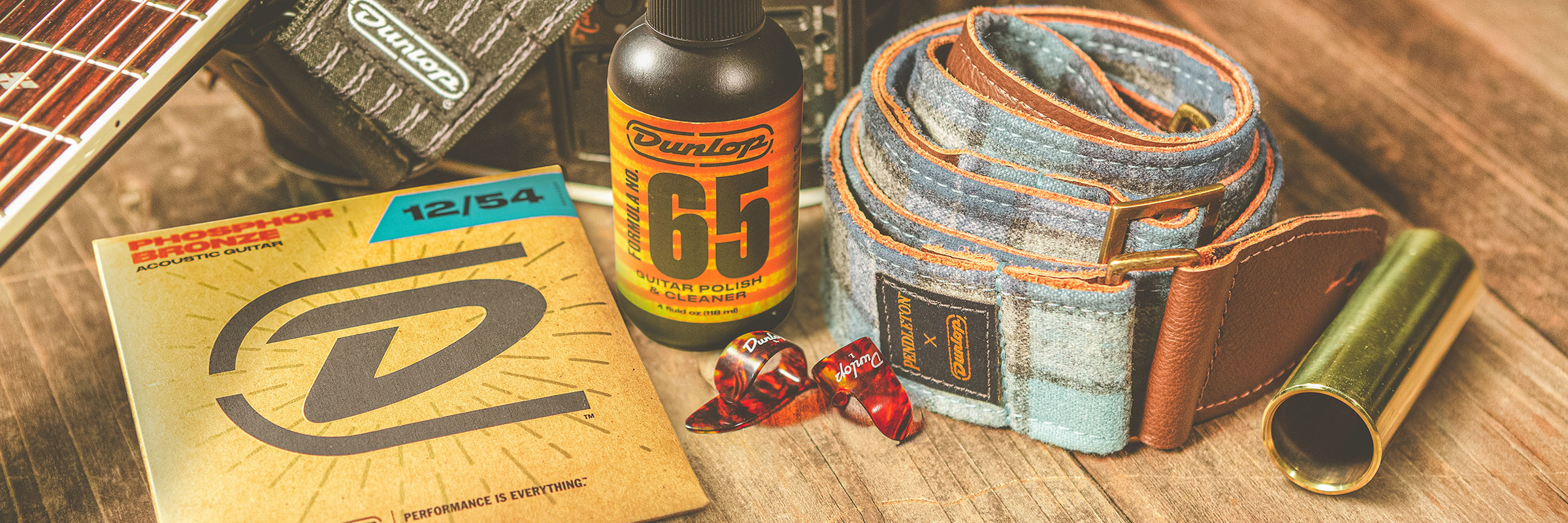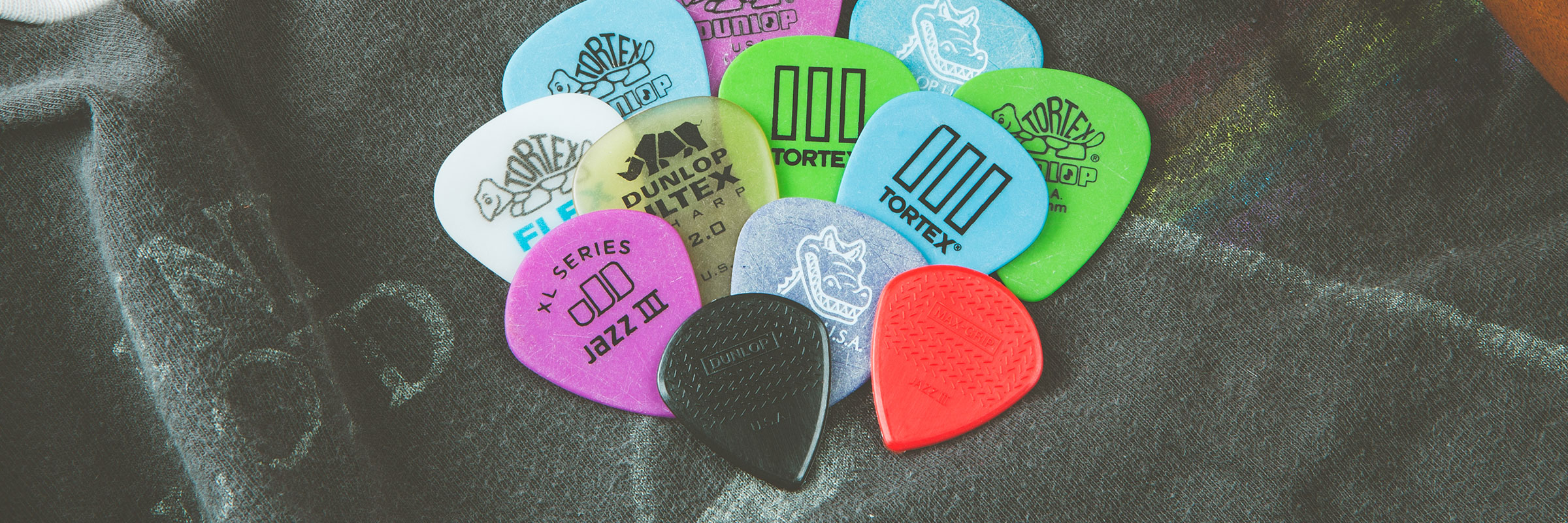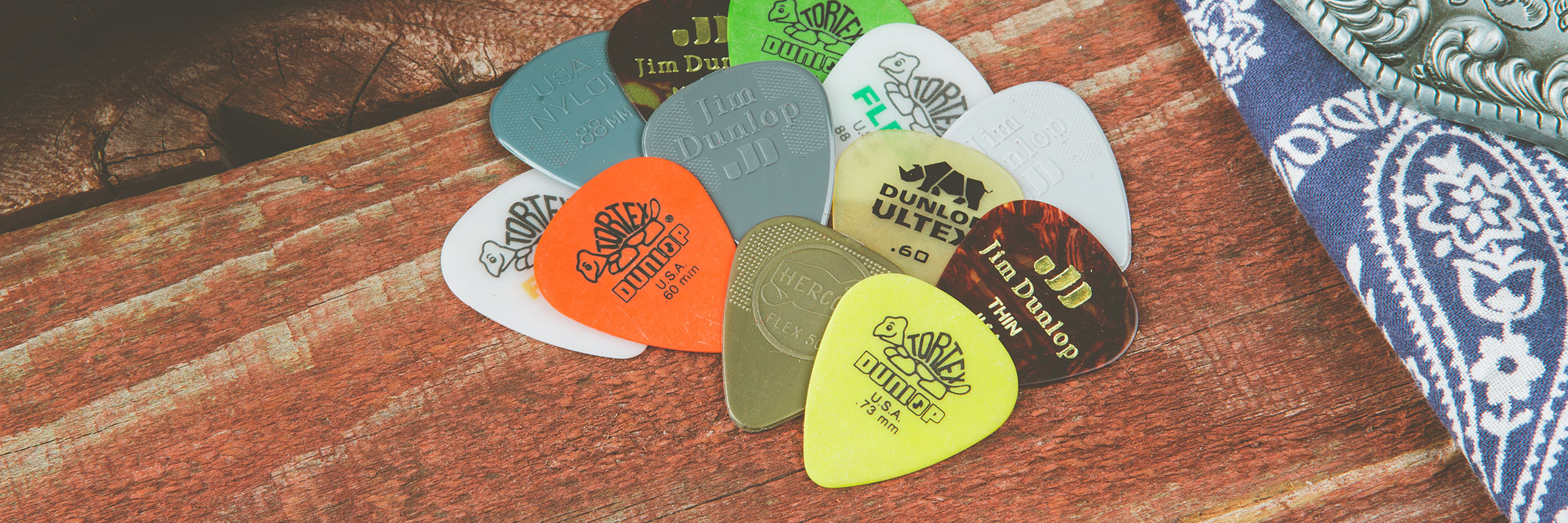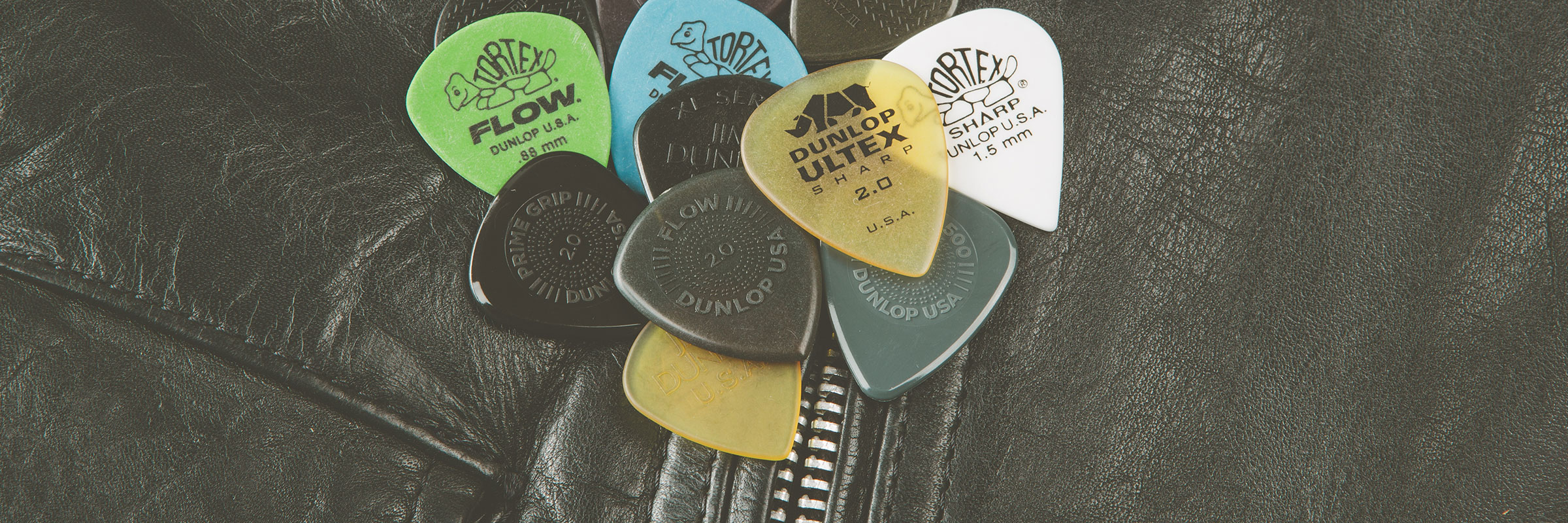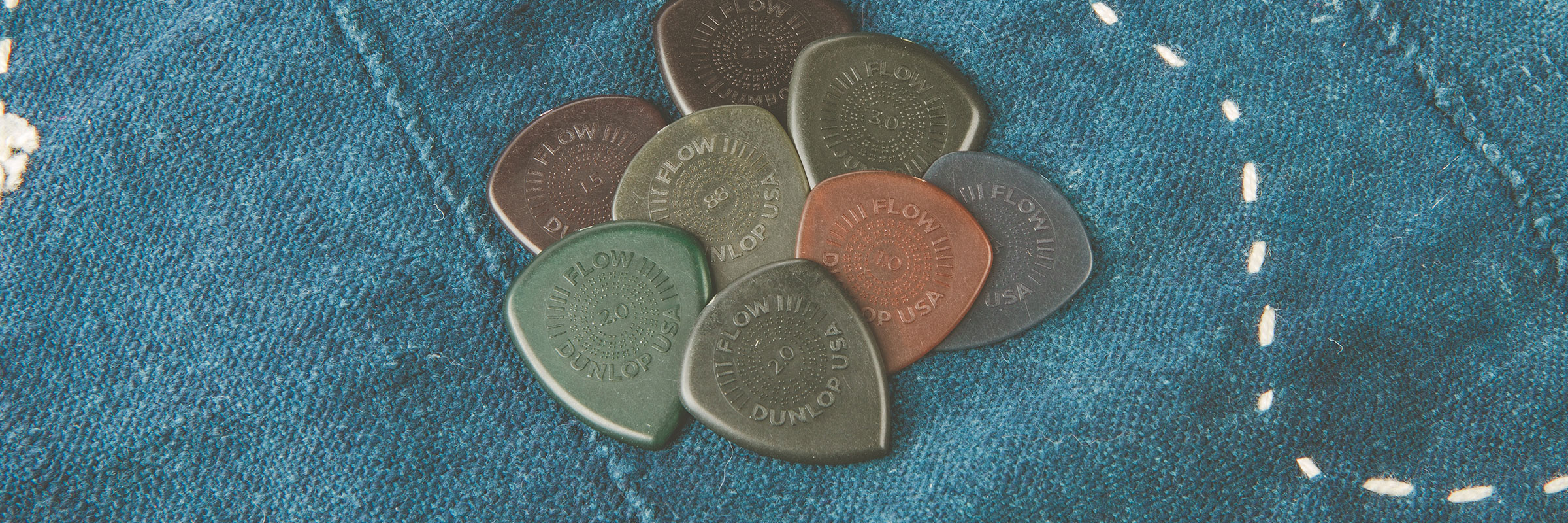



Changing up the sound and feel of your playing experience can be an expensive and complicated process, but it doesn’t have to be. It’s great to try out different amps, instruments, and pedals when you can, but there are two ways to mix it up that are easy on effort as well as your wallet: trying out different strings and trying out different picks. Many players take these two parts of their setup for granted, but finding the right set of strings and the right pick is like putting on a pair of shoes that actually fit. You can just slip in, get comfy, and let them take you where your creative spark leads.

by Dunlop Staff Contributor
07-08-2020
CATEGORIES
MOST RECENT
ARCHIVE
- July 2026
- February 2026
- September 2025
- August 2024
- June 2024
- April 2024
- August 2023
- May 2023
- April 2023
- March 2023
- February 2023
- January 2023
- December 2022
- November 2022
- October 2022
- September 2022
- August 2022
- July 2022
- June 2022
- May 2022
- April 2022
- March 2022
- February 2022
- December 2021
- November 2021
- October 2021
- September 2021
- August 2021
- July 2021
- June 2021
- May 2021
- March 2021
- January 2021
- November 2020
- October 2020
- August 2020
- July 2020
- May 2020
- March 2020
- January 2020
- June 2019
- May 2019
- April 2019
- October 2018
- June 2018
- April 2018
- December 2017
- November 2017
- October 2017
- September 2017
- July 2017
- June 2017
- April 2017
- March 2017
- February 2017
- September 2016
- July 2016
- May 2016
- September 2015
- August 2015
- July 2015
- April 2015
- March 2015
- November 2014
- June 2014
- March 2014
- June 2012

STRINGS
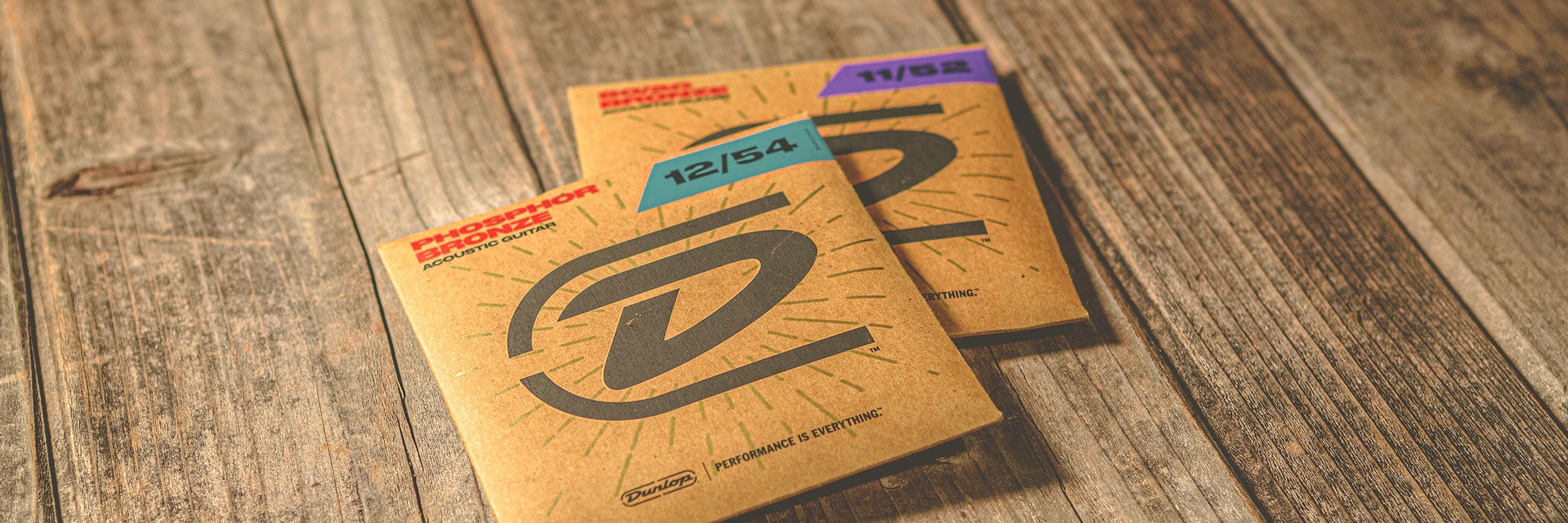
Strings are your first point of contact with your instrument, and they deserve as much consideration as any other part of your signal chain. Different gauges and materials can have a profound impact on your overall sound, and they also allow you to experiment with different techniques and tunings.
Lighter gauges are great for lead guitar players thanks to their tonal clarity and bend-friendly tension, while heavier gauges are great for fat rhythms and for adding balance and stability to downtuned instruments. Of course, you can go in the opposite direction for your own tonal and tactile needs, including mixing and matching string gauges to create a set that matches your own playing style.
Bass players likewise have numerous options—lighter gauge and Stainless Steel strings provide brightness and clarity, while heavier gauge and Nickel Wound strings add fullness and warmth. And then there’s Flatwound Bass Strings, which give you that classic old school thump like nobody’s business.

PICKS
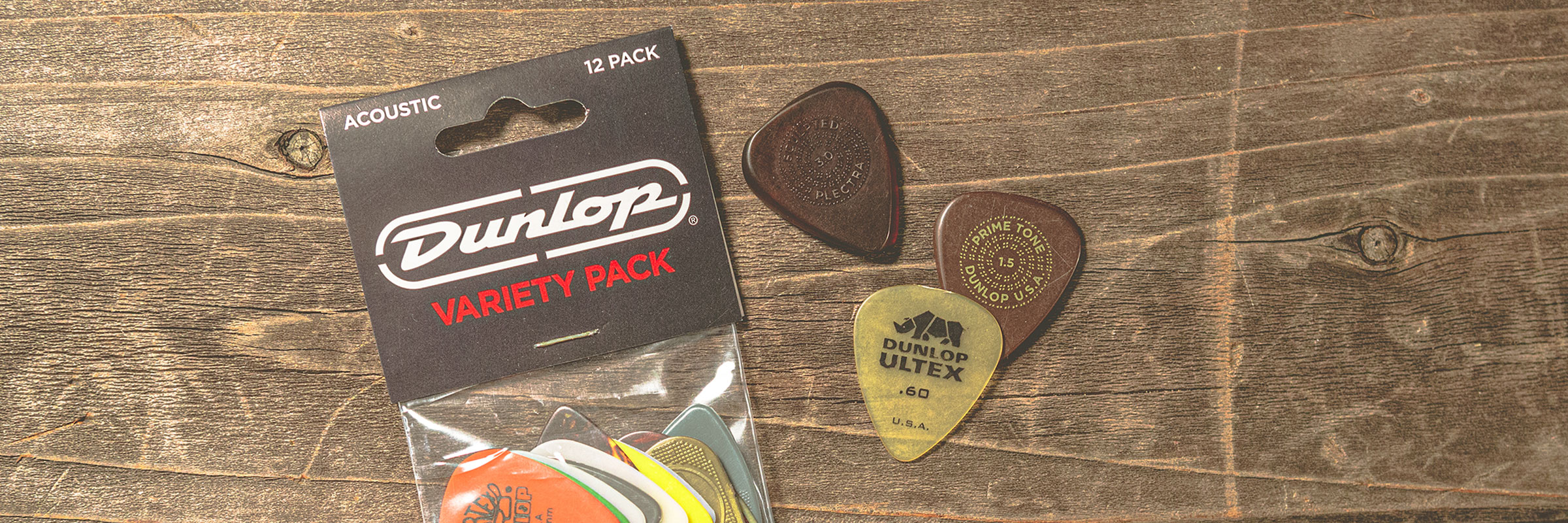
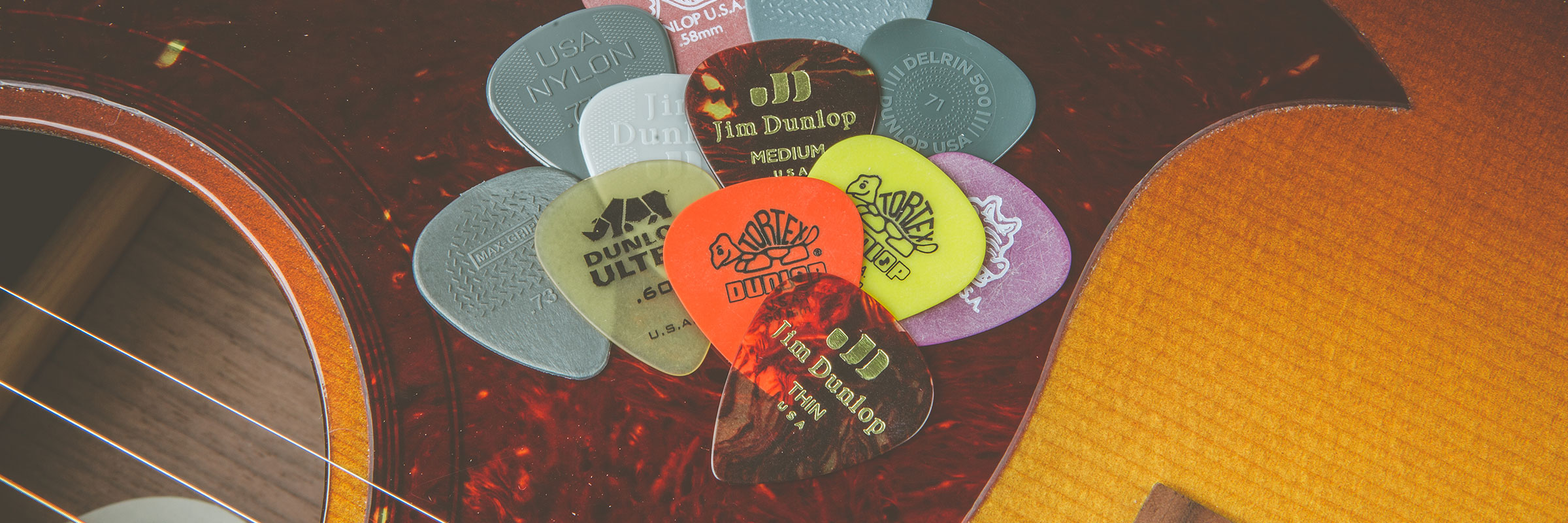
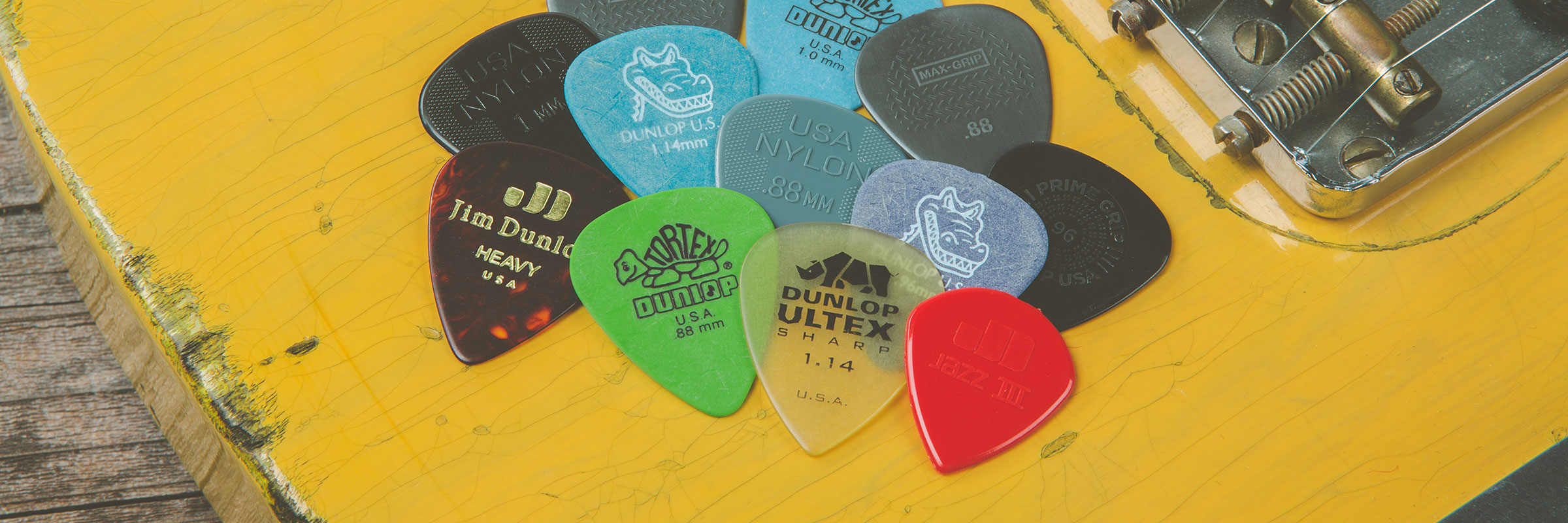
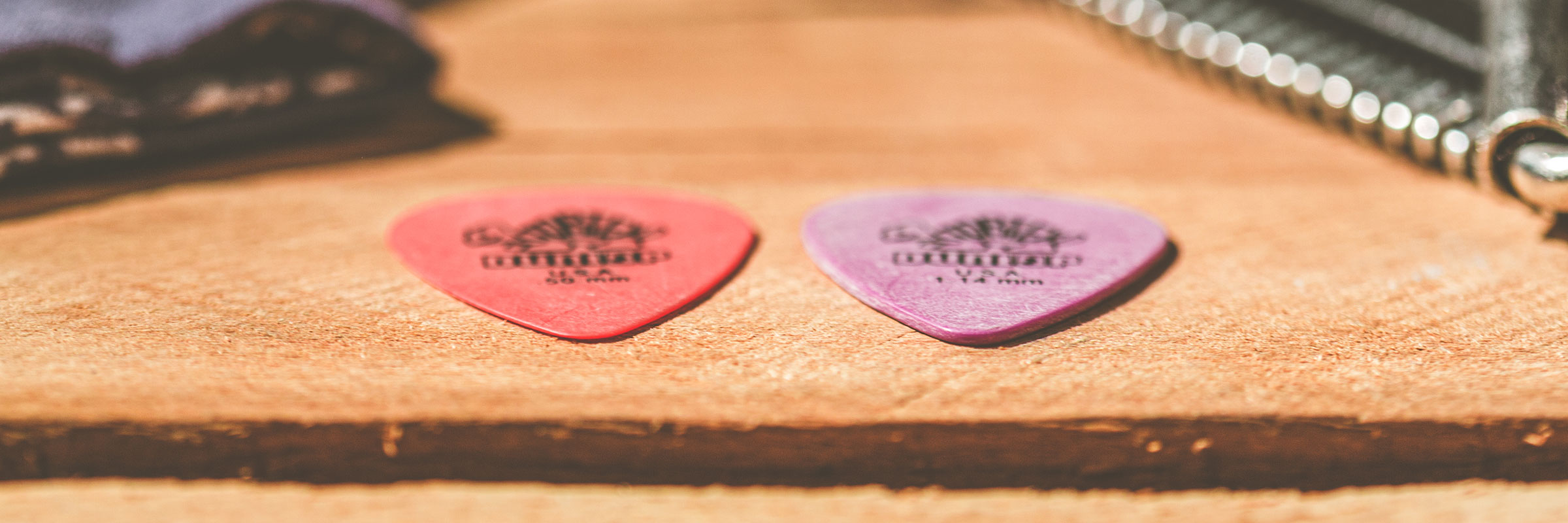
As with strings, trying a different pick can totally change the dynamics of how you sound and play. There are four crucial variables to consider: material, gauge, shape and finish or grip. The material sets a baseline for the overall feel—rigid or flexible, bright or warm—and the gauge allows you to adjust for feel and tonality within the natural range of that material.
Lighter gauges tend to be more flexible with a brighter sound, while thicker gauges tend to be more rigid with a warmer sound.
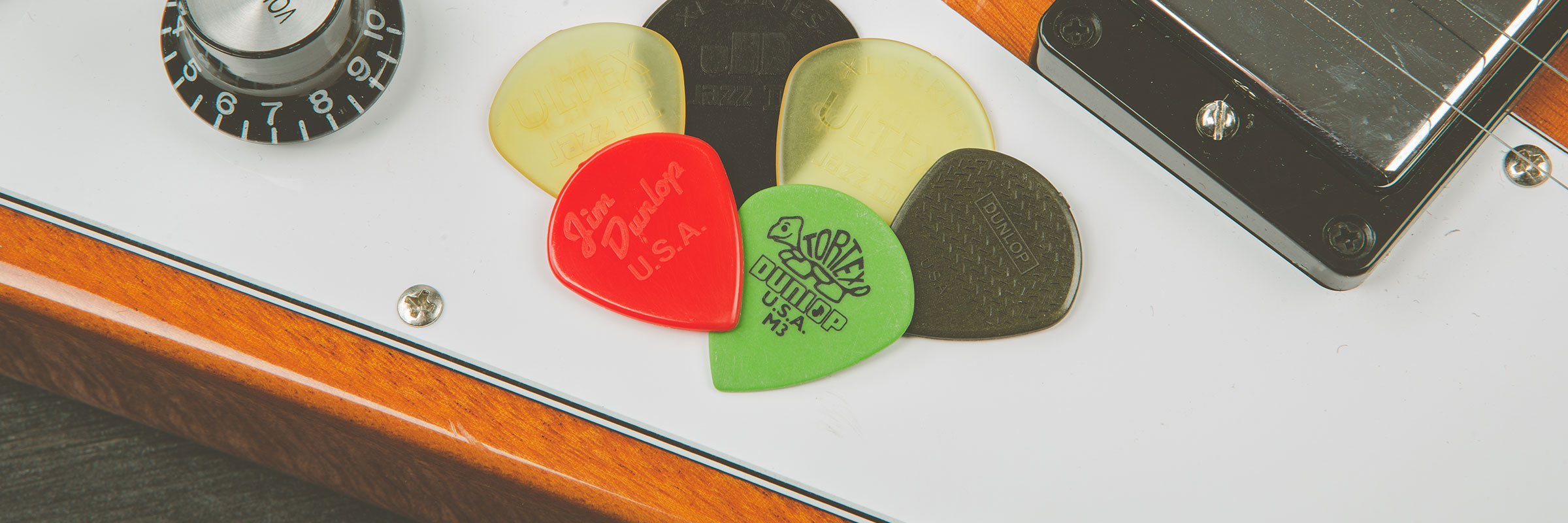
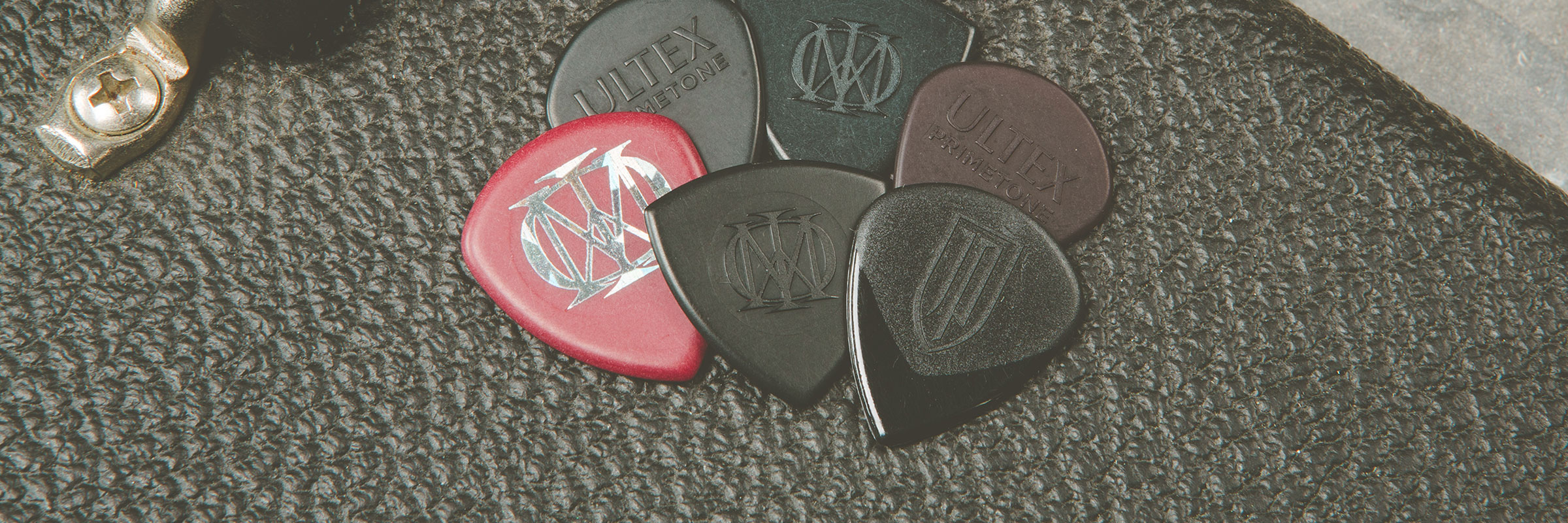
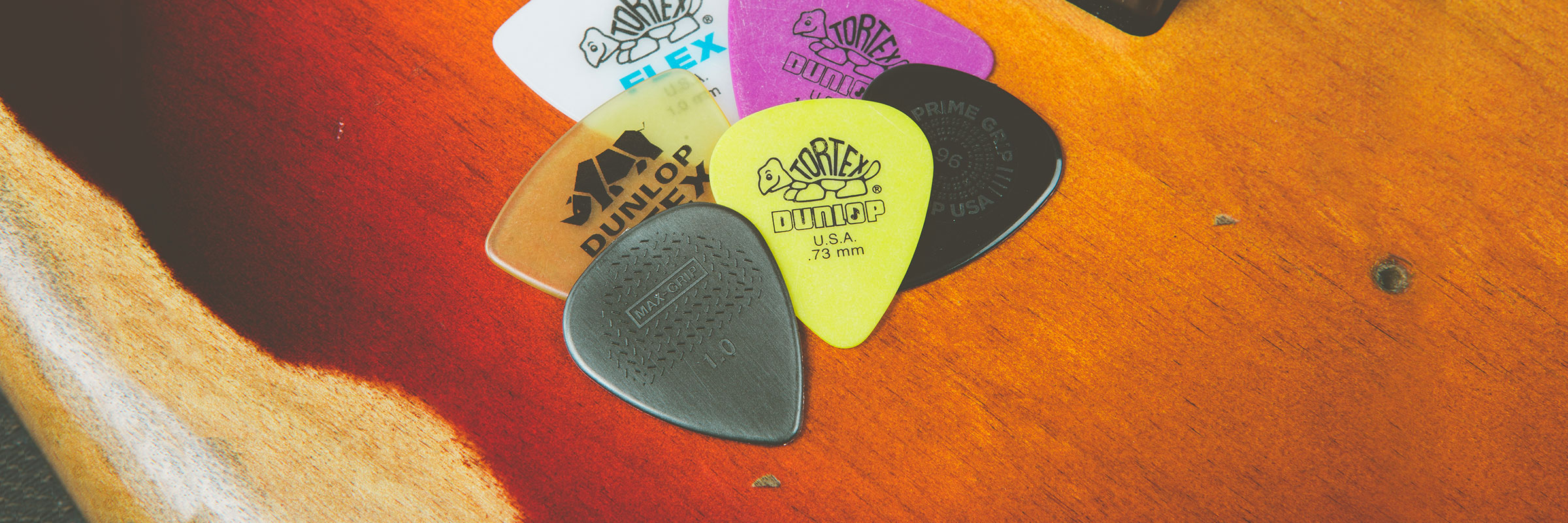
The shape is where you get to really focus on your playing style. Do you want clear and articulate notes for leads and solos? Try a shape with a sharper tip such as the Ultex® Sharp Pick. Want your chords to ring out with thickness and heft? Go with a broader tip such as that of the Nylon Standard Pick. If you want to choke up and play fast, choose a smaller, more aerodynamic pick such as the Jazz III Pick in one of its many variations. Modern designs such as Primetone® Picks and Flow® Picks go even farther with specially sculpted bevels that offer an unprecedentedly smooth attack and a wide range of tones.
Finally, how do you want your pick to feel in your hand? Some players love the peace of mind that a very pronounced grip provides—best exemplified by Nylon Max-Grip® and Prime Grip® Delrin Picks—but others prefer the more subtle textured surface of Tortex® Picks. The aforementioned Primetone and Flow Picks offer something of an in-between option with a very low-profile grip.
Your strings and picks can cover a whole lot of ground when it comes to tightening up your tone and technique. If something about your creative process is feeling stale or uninspired, try changing up your strings or your picks. Maybe you just need to find the right fit.