Whether you’re changing strings or adjusting a truss rod, learning how to keep your instrument in playing shape is one of the most important things a musician can do. Having the right tools on hand ensures that you do the job right while making it painless enough to incorporate into your routine. Not everyone has the level of skill or comfort when it comes to tinkering with their prized guitars and basses, though, and that’s why our System 65™ Care & Maintenance line offers an assortment of tool kits to meet your instrument care goals.
Here are three of our must haves.
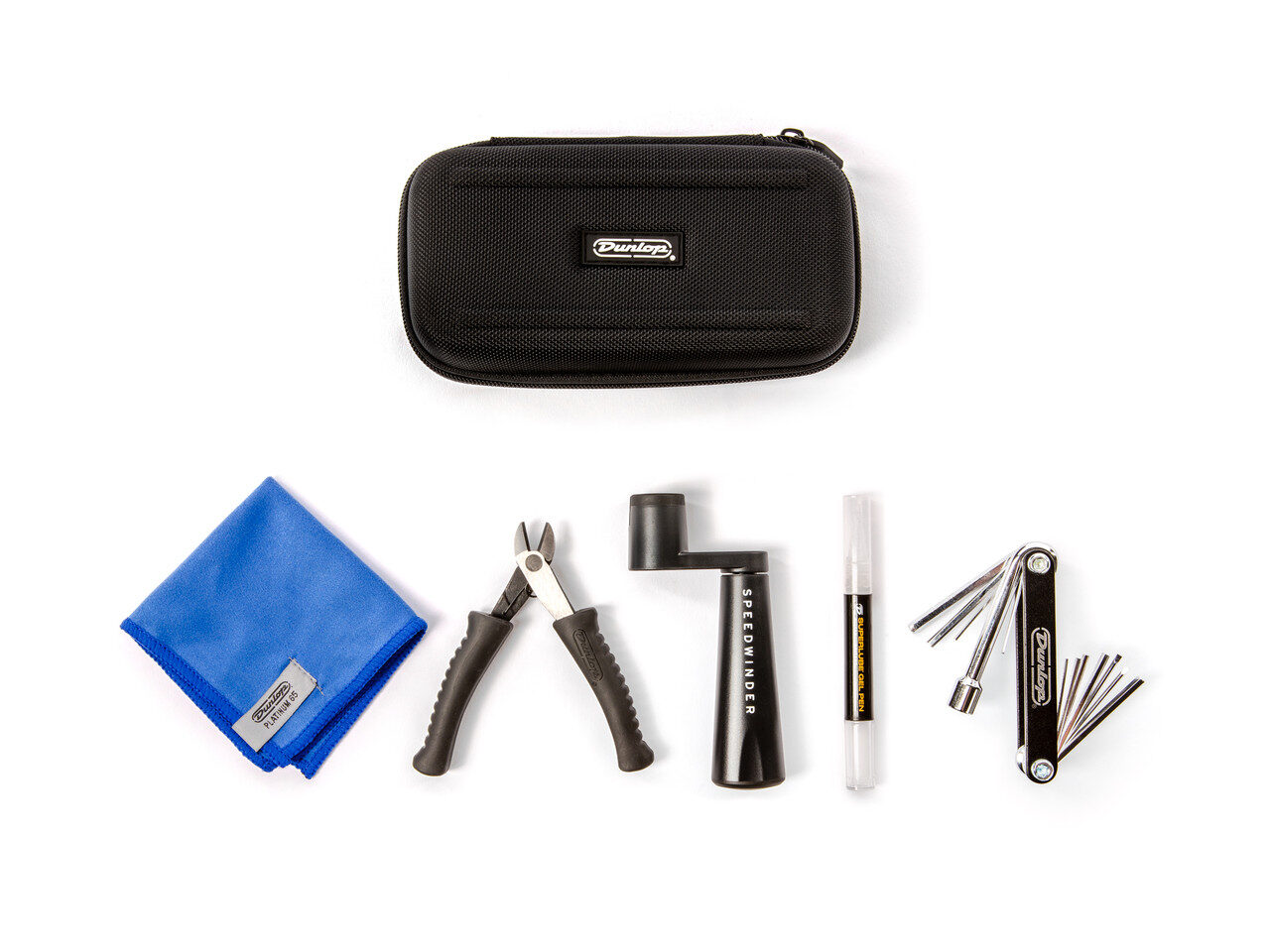
SYSTEM 65™ COMPLETE GUITAR & BASS STRING CHANGE TOOL KIT
The first step in the maintenance journey—the string change. It can feel like a chore, but it doesn’t have to. The System 65 Complete Guitar & Bass String Change Tool Kit comes with everything you need to make every step of the process faster and easier, from removing strings and wiping down your fretboard to winding your tuning pegs and adjusting your action. It all comes in a compact carrying case that you can fit in your backpack or gig bag for string changes on the go.
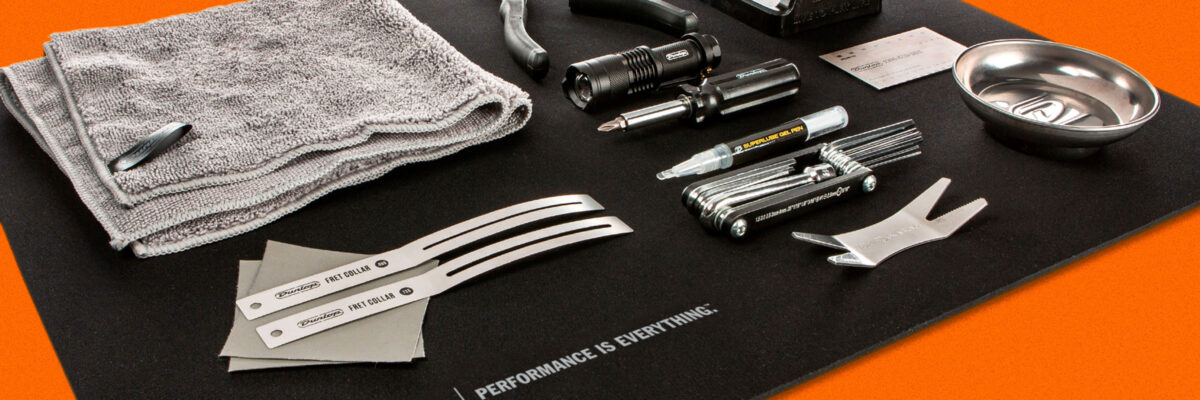
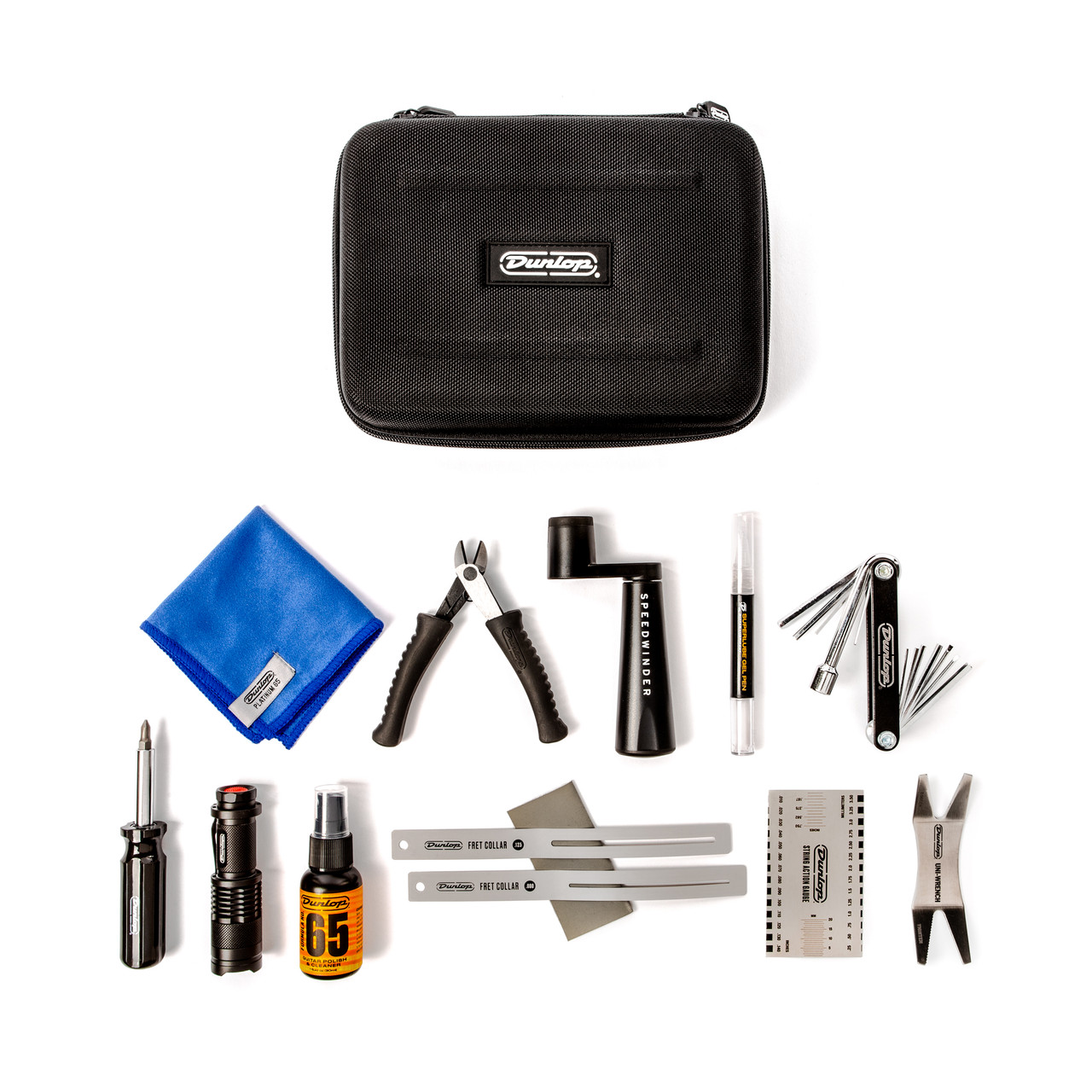
When you feel like you’re ready to get to know your instrument even better, there’s the System 65 Complete Guitar & Bass Setup Tool Kit. It has all the same goodies as the String Change Tool Kit, but it also comes with several other tools to help you do everything from polishing your frets and tightening or removing hardware to checking neck relief and giving your instrument a quick clean and polish. And like the String Change Tool Kit, the Complete Setup Tool Kit comes in a convenient case so that you can keep it with you at all times.
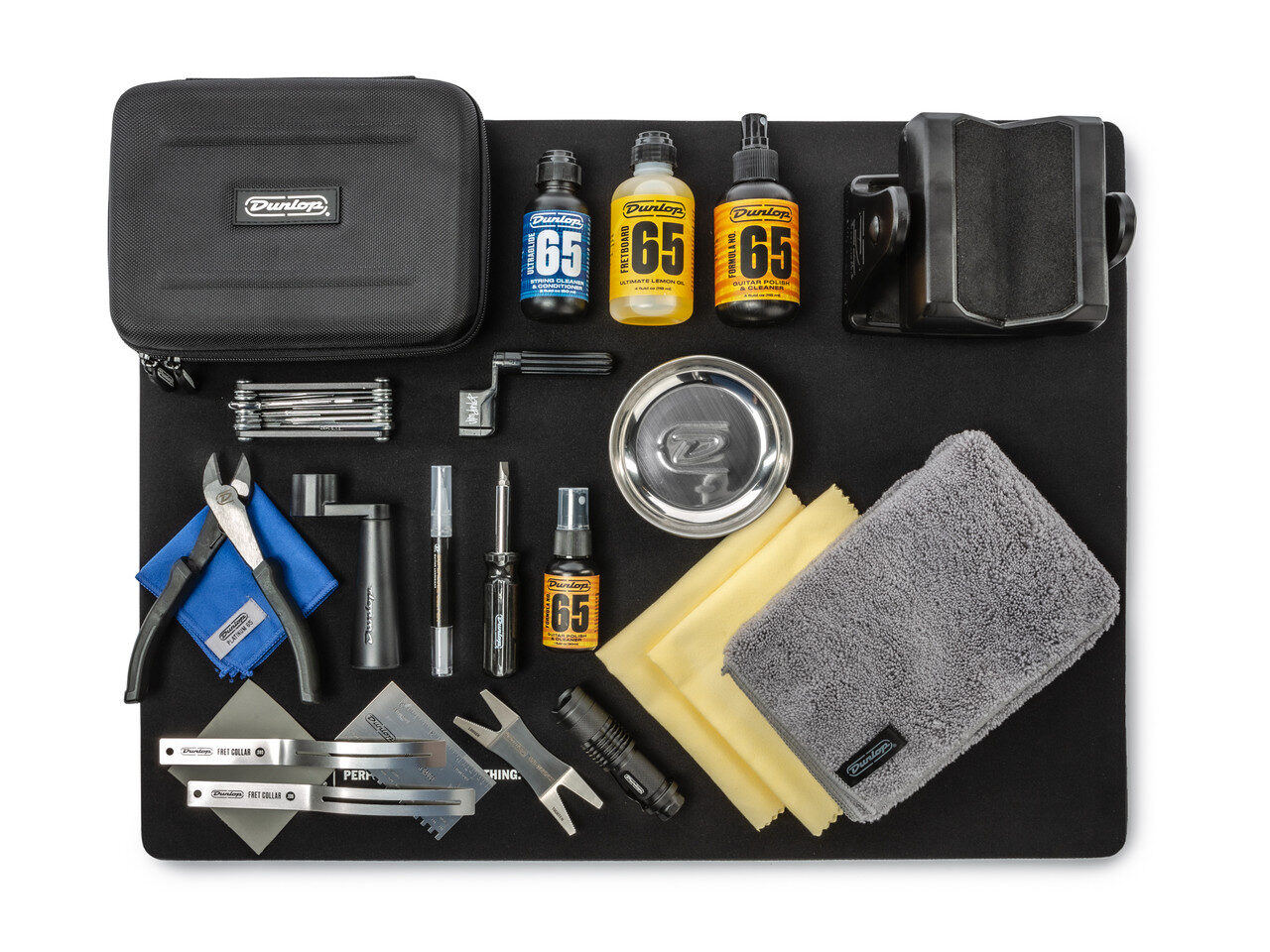
If you’re looking to set up a proper work station, then the System 65 Complete Setup Tech Kit is the option for you. It comes with the System 65 Complete Guitar & Setup Tool Kit plus a suite of products perfectly suited to make the most of whatever surface you’re working on, whether it’s a bench in your garage or a coffee table in your living room. With a System 65 Neck Cradle, Setup Mat, and more, your instrument can kick back and let the TLC commence.
…
Which of these kits most fits your needs? Are you still acquainting yourself the string change routine, trying your hand at setup tinkering, or do you ease up to the work bench like a doctor at an operating table? Whatever your level of comfort and experience, having one of these kits is essential for obtaining the best in tone and playability from your instrument. Get your System 65™ Tool Kit today.
What is an EQ pedal? A tone shaper, surely. But they can be much more than that.
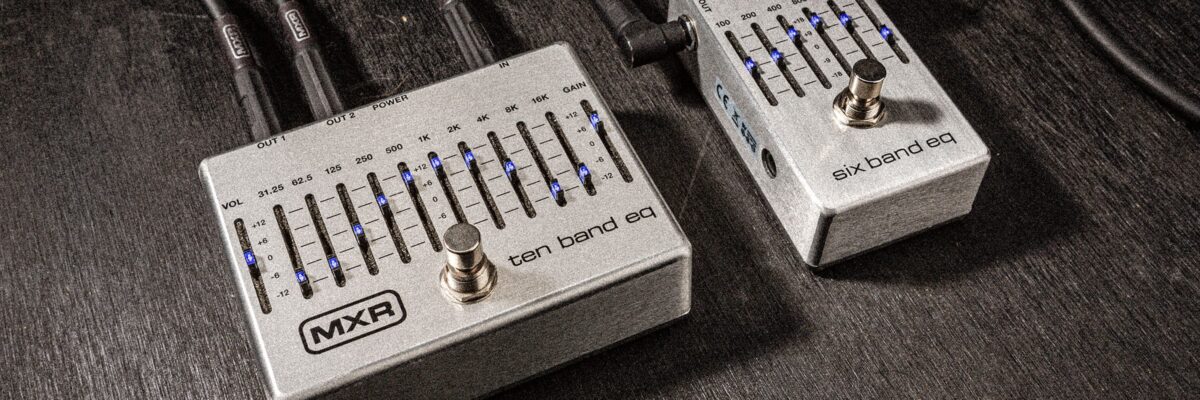
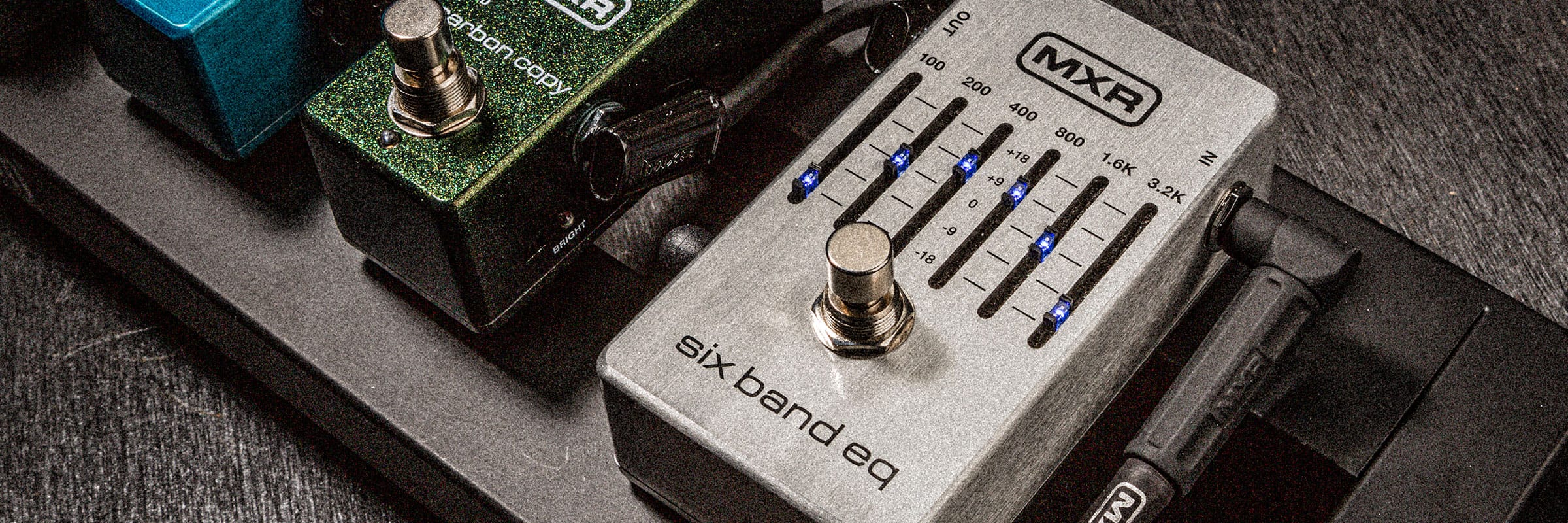
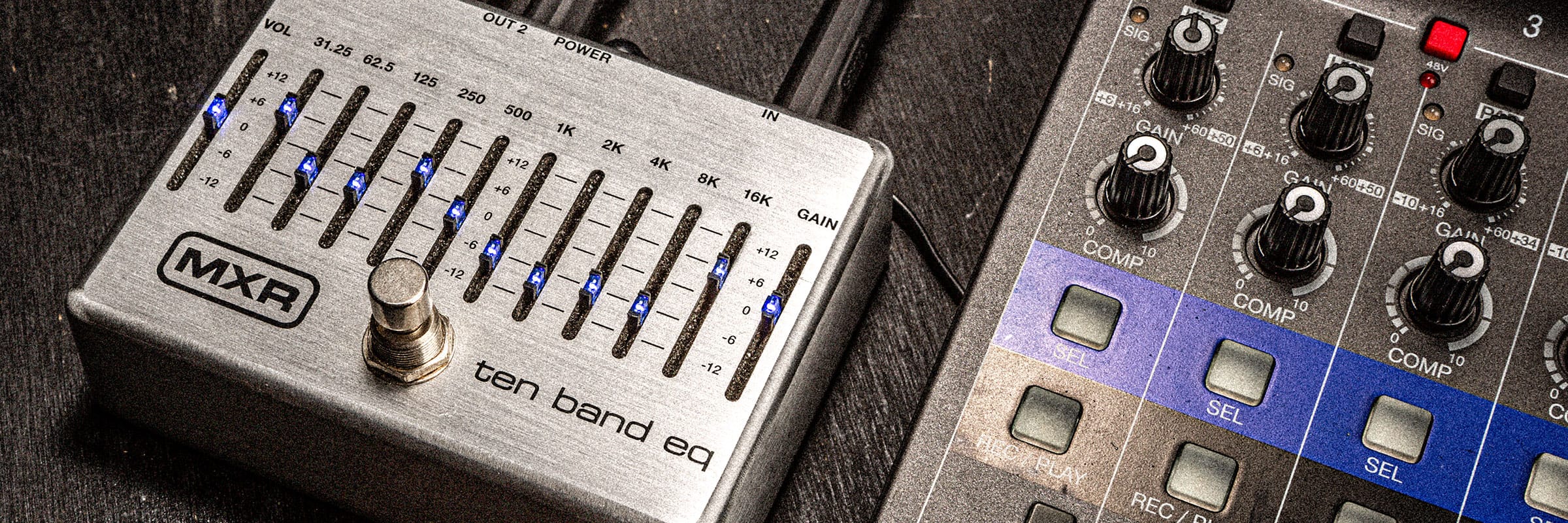
MXR® offers two great options: the Six Band EQ and the Ten Band EQ. Modern classics, both feature noise-reduction circuitry, true bypass switching, brighter LEDs for increased visibility, and a lightweight aluminum housing. The Six Band covers all the essential guitar frequencies, from 100Hz to 3.kHz, while the Ten Band EQ gives you control over a wider range, from 31.25Hz to 16kHz—perfect for bass players and extended range guitar players.
With these pedals in mind, we talked to the gigging and recording musicians on our team and collected a list of compelling reasons that show why you should have an EQ pedal at all times.
MATCH UP WHEN YOU MAKE THE SWITCH
If you use multiple instruments during a show, or even during a recording session, having an MXR Six Band EQ or MXR Ten Band EQ can save you a lot of time you’d otherwise spend reconfiguring your settings every time you make the swap.
Let’s say you’re switching from an active bass to a passive bass. Or from a guitar with single-pickups to a guitar with humbuckers. Or even from an electric guitar to an acoustic one. That’s going to change up the overall sound of your signal chain.
But with an EQ pedal, you can adjust the frequencies—and input and output with the MXR Ten Band EQ—as needed to keep a consistent sound. Just set the sliders where you need them to make the second instrument match, and then kick the pedal on when it’s time to make the switch.
SHAPE EFFECTS
Sometimes, the EQ controls on a pedal just don’t give you enough control. Or a pedal might not offer any tone shaping at all. Putting an MXR Six Band EQ or MXR Ten Band EQ pedal in front of or after that effect, or even a group of effects, will allow you to create the exact sound you want to hear.
Want to tighten up a fuzz? Put your EQ pedal after it, and try cutting lower frequencies. Or give your overdrive and distortion pedals extra punch and presence by boosting the midrange. In other instances, you might want the EQ to come first—namely, when you want to control what the input signal is feeding into a particular effect. Experiment, and discover which setups work for you and your sound.
AN EXTRA PREAMP FOR YOUR AMP STACK
At the end of your signal chain, just before your amp, the MXR Six Band EQ and MXR Ten Band EQ pedals shape everything that comes before—it’s like having an extra preamp. A pre-preamp, if you will. Sometimes, effects combos become unruly and imbalanced. An EQ pedal allows you to shape it all into a more cohesive sound before your amp works its magic.
Relatedly—if you have an amp that’s prone to tubby or thin sounds, placing an EQ pedal in the FX loop allows you to do some “under-the-hood” tweaks to pull off your perfect sound.
POP THOSE LEADS
The MXR Six Band EQ and MXR Ten Band EQ—especially the Ten Band—can be used to draw all focus to your fancy leads. On the Six Band, just boost and cut the frequencies you need to make your notes stand out in a mix. With the Ten Band, do the same, but with Volume and Gain sliders, it’ll boost your whole signal into the stratosphere if you want it do. Just, you know, make sure that’s cool with your bandmates.
Gaining control over your tone before it reaches the mixing board ensures the best version of your sound gets recorded. Just as with running the MXR Six Band EQ and MXR Ten Band EQ pedals right before your amp stack, running them before the mixing board allows you to meld all the effects in your signal chain together—or put the finishing tonal touch on the sound of your instrument, especially if you’re unable to include your usual amp stack in the recording session.
What if you wanted to record at the mixing board AND mic your amp stack? The MXR Ten Band EQ has two outputs, allowing you to split your signal chain in two while keeping them both polished up and sounding great.
TAKE OVER THE STAGE
Playing live is unpredictable. Every venue sounds different. You might be forced to use backline gear. That means all your careful tweaking and testing during band practice goes out the window. An MXR Six Band EQ or MXR Ten Band EQ pedal on hand will save you a lot of time and frustration, allowing you to adapt sound of your rig to strange gear and stranger places.
FINE TUNES
The MXR Six Band EQ and MXR Ten Band EQ pedals give you all the sonic control you need to sound great and express the best version of your musical vision—whether you’re a home recorder in pursuit of the perfect tone or a live performer needing to adapt on the fly.[/read more]
The tremolo effect is a rock ’n’ roll staple. Varying the volume of a signal up and down at regular intervals, it has been used by many crafty songwriters to add texture and motion to their pieces, creating countless hits that feature the effect as a signature, defining element.
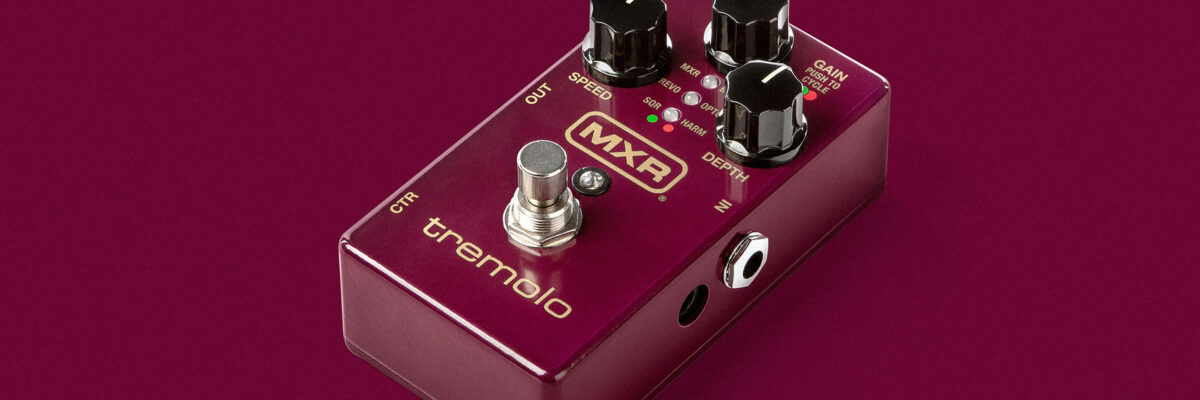
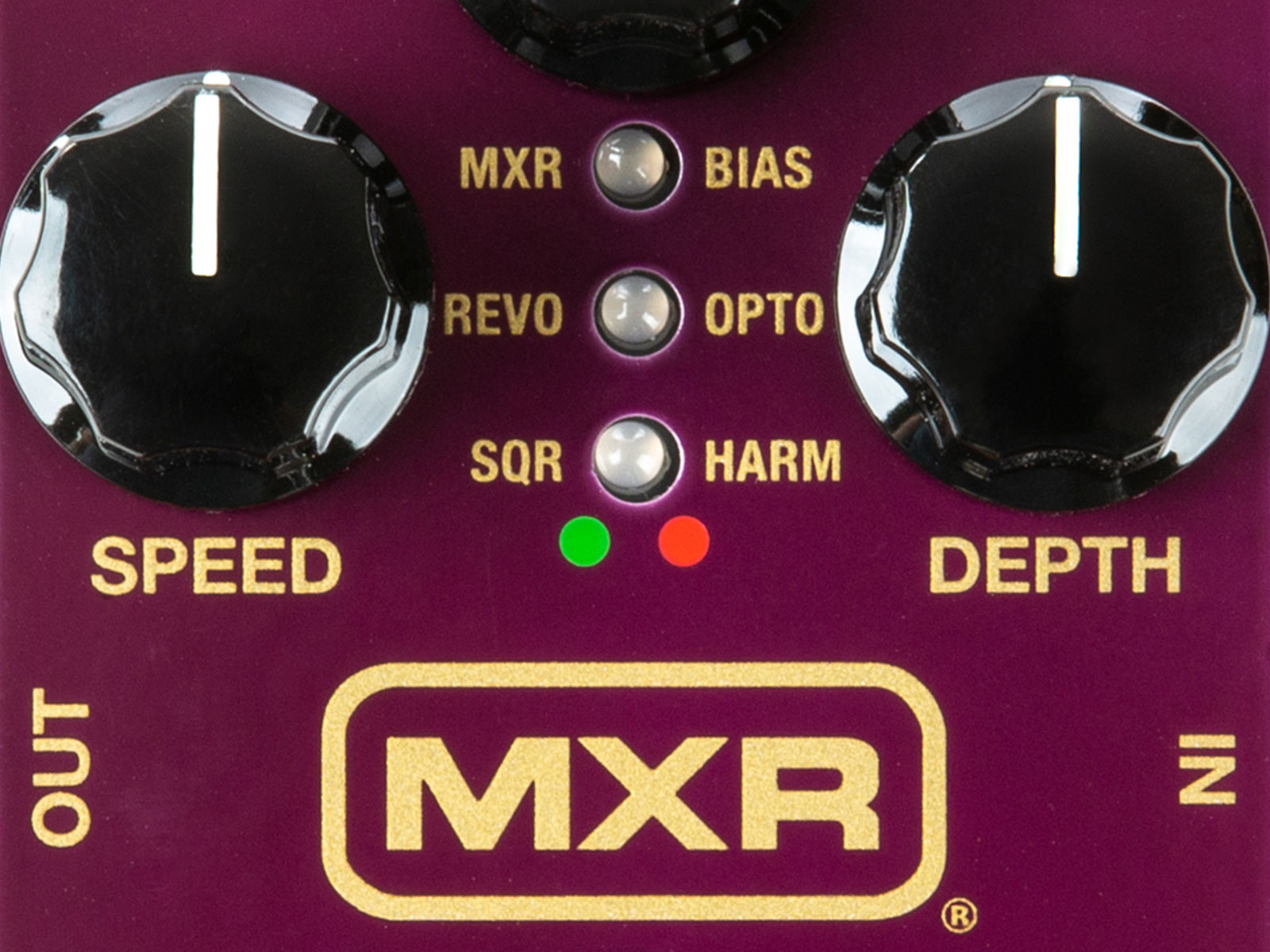
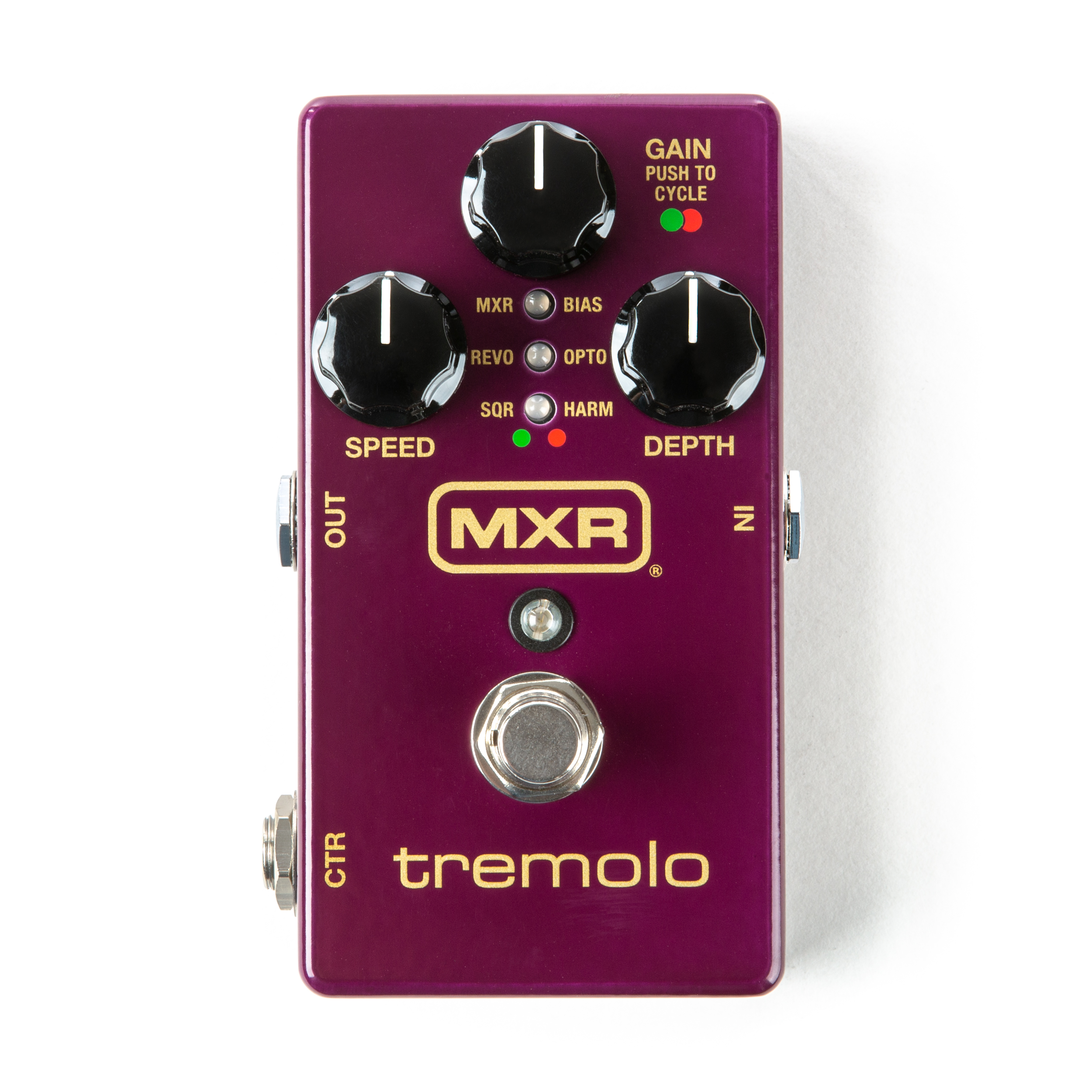
The MXR Tremolo welcomes the beloved effect back into its ranks, and it comes equipped with six different waveforms and a bevy of features for advanced players, from stereo operation to tap tempo and expression pedal functionality to attack-sensitive envelope tremolo. It all comes in a single MXR housing.
Check out the MXR Tremolo in action below.
THE WAVEFORMS
The MXR Tremolo’s six waveforms represent the most popular methods used over the years to produce the tremolo effect—and then some.
MXR
The MXR Tremolo’s first setting is an exact recreation of the M159 MXR Stereo Tremolo. Originally designed to emulate the tremolo of vintage amplifiers, the rich tone and organic pulse of that pedal became a sought-after sound in its own right.
If you dig tremolo with a healthy side of distortion, then you’ll be well-served by the MXR setting. In this clip, we’ve paired it with the very versatile, highly responsive MXR Super Badass™ Distortion—listen to how those vibrant pulses respond to high-gain, rock-ready harmonic content.
BIAS
An early form of amp-based tremolo, utilized by models made from the 1950s to the early 1960s, produced the effect by varying the voltage going into the amp’s tubes. The result is a lush, browned-out compression. Here, we’ve combined it with the MXR Reverb—a classic effect pairing—and the MXR Sugar Drive™ Pedal to conjure up some old school trem’d out garage rock.
The Revo setting is an original creation from the MXR design team. It takes the smooth pulses of the Opto setting and runs them in reverse to create more exaggerated peaks and valleys. Want to take a ride straight to the sonic frontier? Pair this setting with an aggressive saturator such as the MXR La Machine™ Fuzz for a trip through wild and unexplored territories.
The Opto setting recreates the smooth pulse generated by photo cells in many popular amplifiers from the 1960s on. The MXR Reverb’s Spring setting makes for a historically perfect pairing, and adding the Super Badass Distortion to the mix opens up a full range of expression no matter how big your rig is.
The SQR (square wave) setting is based on a classic outboard effect that cuts your signal completely rather than gradually lowering and raising the volume, producing a choppy, super pronounced effect. It sounds epic when used with the pedal’s stereo mode—just connect a TRS cable to the main output jack. Adding an MXR Phase 90 and an MXR Reverb set 100% wet is a recipe for cavernous ambience and magically lush soundscapes.
The Harm (harmonic) setting recreates the trippy, phase-like tremolo produced by certain rare vintage amplifiers. Those amps did more than just vary the volume of your signal—they actually split your signal through high-and low-pass filters, worked some magic on the separated signals, and then mixed the two back together for a much more ethereal sound. Let your creative impulses run wild with this setting by stacking other modulation pedals along side it, and then slam the signal chain with a dirt pedal for good measure. We used the MXR Reverb, MXR Carbon Copy® Delay, and the MXR Super Badass Distortion to create a combination of sounds that offers a wide range of rich musical tones to explore.
It takes little time to dial in a killer sound with the MXR Tremolo, but if you’re into more advanced setups, this pedal comes with a host of features to satisfy your needs. Here’s a look at what this pedal offers you fine-tuners out there.
ENVELOPE
Envelope Mode allows you to take any one of the six tremolo waveforms and have them react to your playing dynamics. Playing softly produces a slower, more subtle effect, while playing with more intensity produces a faster, more exaggerated effect. You can set set the maximum level for each parameter so that you don’t generate a faster or more exaggerated effect than you need.
Few effects create the ambience and texture of a tremolo pulsing from side to side. With the MXR Tremolo, all you need is an MXR TRS Cable to pan your signal two different output sources.
Want to sweep between two different control configurations? All you need is an MXR TRS Cable and an expression pedal such as the Volume (X)™ Pedal. Adjust the Gain, Speed, and Depth knobs one way with the expression pedal in the heel-down position, and then set them another way for the toe-down position. Blend between the two configurations or switch between the two—the choice is yours.
The MXR Tremolo puts a wide variety of intriguing, well-crafted tremolo waveforms on your board with no overcrowding. Get yours today, and start making your own waves.[/read]
Gain pedals such as overdrive, distortion, and fuzz are staples of the modern player’s pedalboard. The range of tones and textures that they produce can be heard in just about every form of music, and they each have their own way of saturating your tone with rich harmonic content at varying degrees off combustibility. But what happens when you stack—or combine—them together? With the right pedals and settings, you can create a whole ’nother spectrum of shades and overtones that’s greater than the sum of its parts. This article will explore some of the ways that you can do just that, complete with examples to feast your ears on.
First, Some Tips
Gain is an unruly beast that’s always looking to break free. With multiple sources in your signal chain, you’ll need to be more attentive to various other elements wrangle the best sounds possible from your setup. A clean amp will make your job easier, for example, so that you can control all of the gain at the pedal level. And some pedals are just sound better together than others—if you find yourself spending hours trying to make two specific pedals play nice with each other, it might be time to swap one of them out and try a different combination. When you do find pedals that sound great together, remember that the last pedal in the gain stack is going to have the biggest impact on your tone and volume level.
Combining Overdrive with Distortion
Overdrive and distortion is the go-to combo for guitar players who like to stack gain stages—but not all players who combine these two effects put them in the same order. Let’s talk about the difference between what happens when you run OD into distortion versus distortion into OD—and why you might choose to go one way or the other.
Overdrive into Distortion
Most players run their overdrive pedal into their distortion pedal. Simply put, this gives your distortion pedal an extra gain stage, allowing you to slam the distortion circuit with more gain for a harmonically richer sound. It will also be much more dynamic and responsive to your attack with increased sustain.
Switching the pedals around, the distortion pedal sends its heavier clipping and increased saturation into the overdrive pedal, which can then shape the distorted tone. If you want high gain tones with a thicker body and smoother edges, this is the way to go. Keep in mind that, because of the compression added by the overdrive pedal, the distorted sound will be less responsive to your playing dynamics.
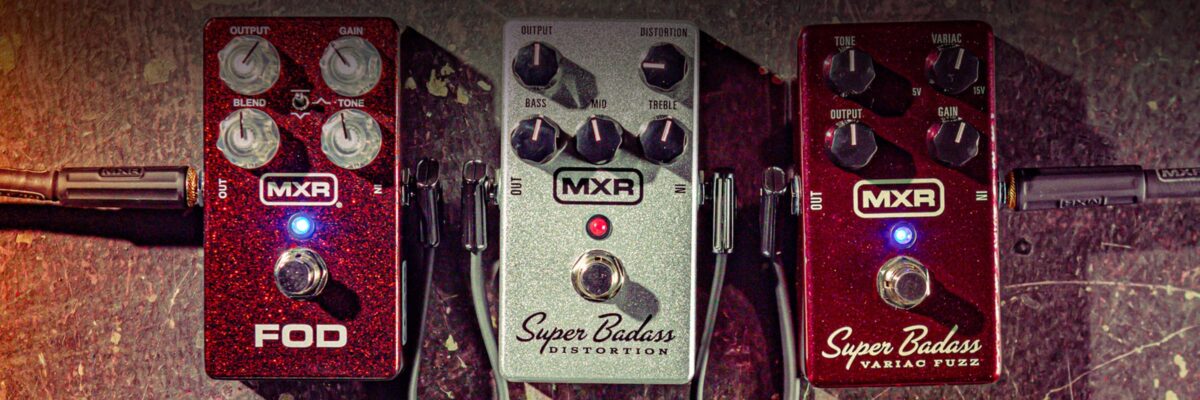
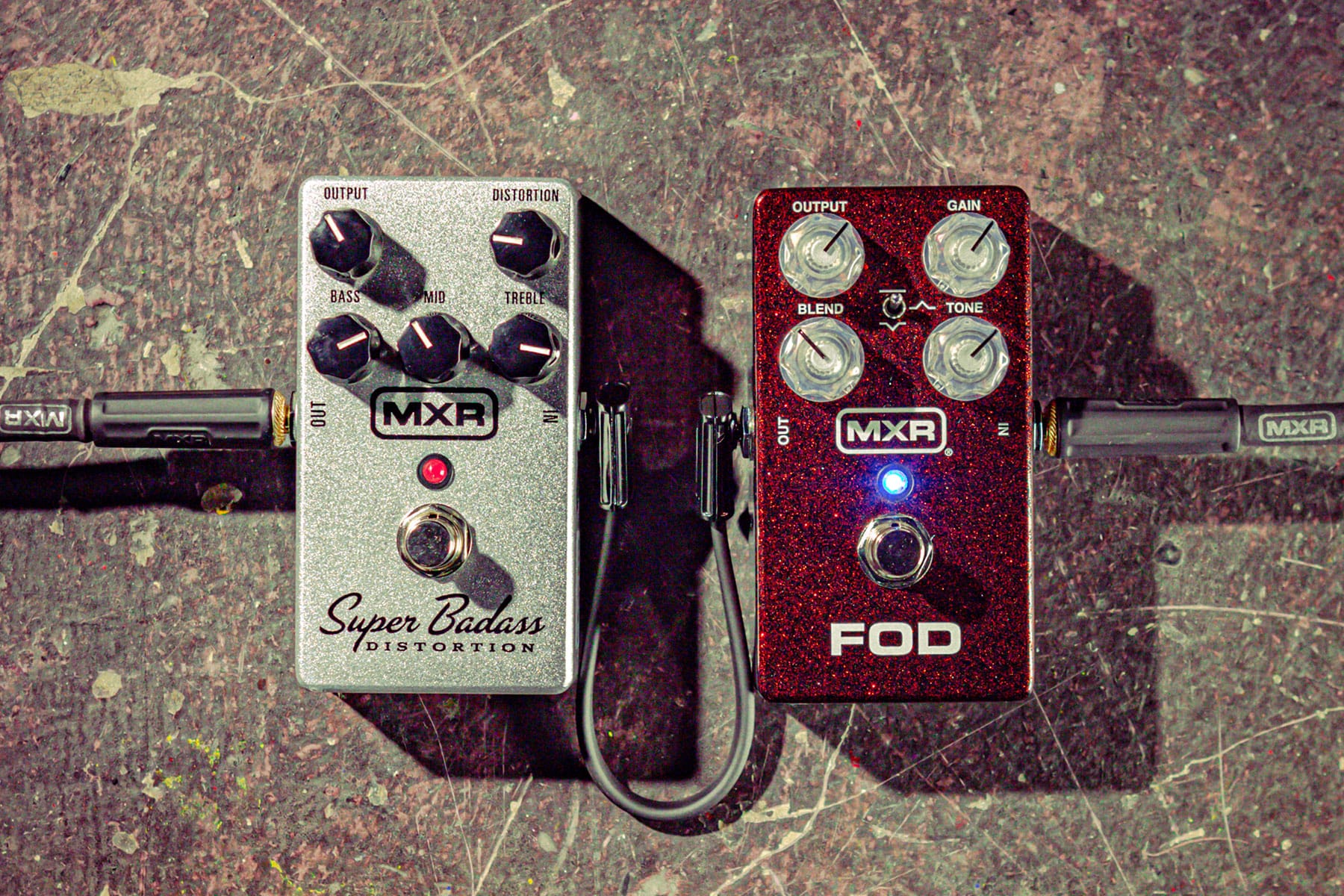
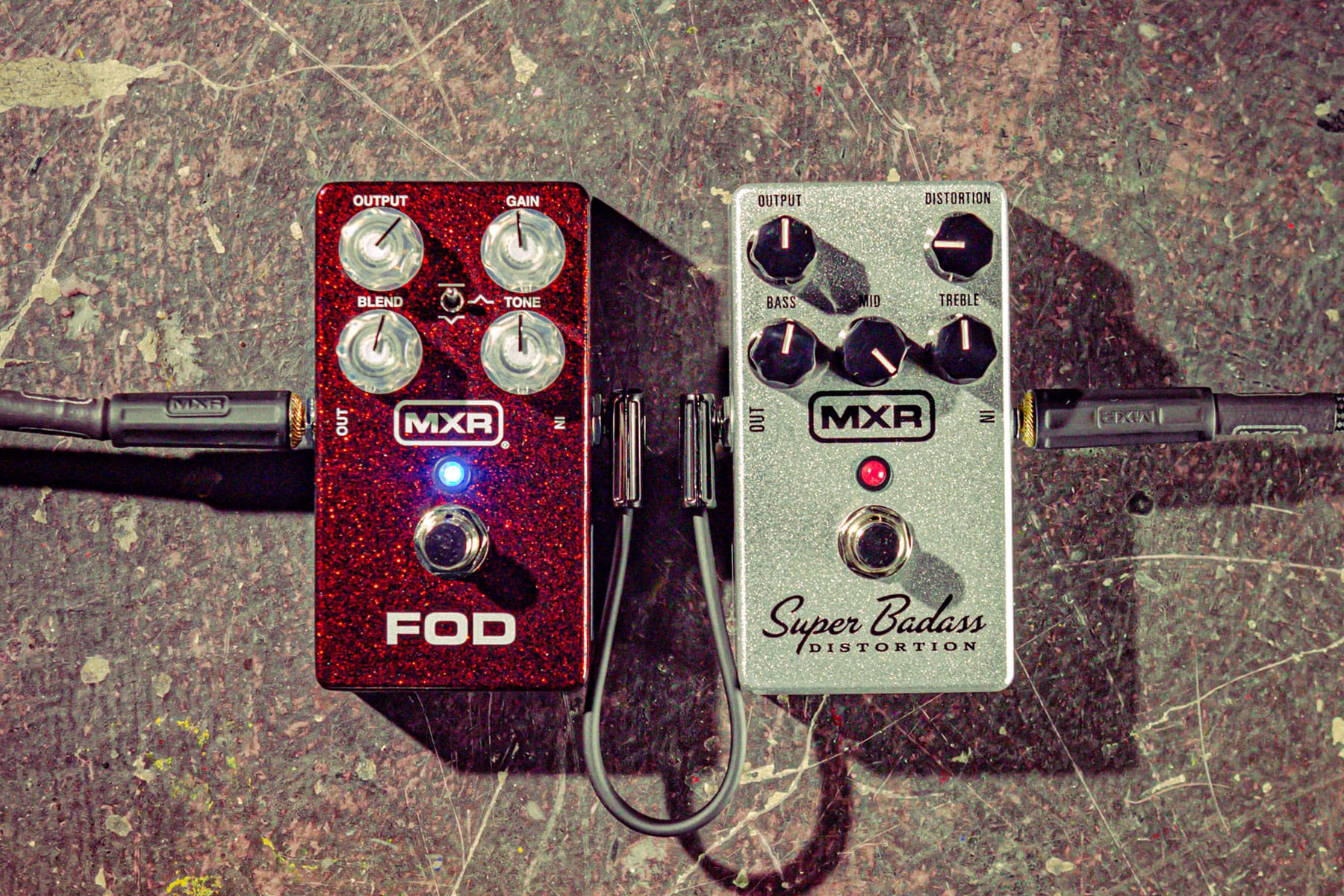
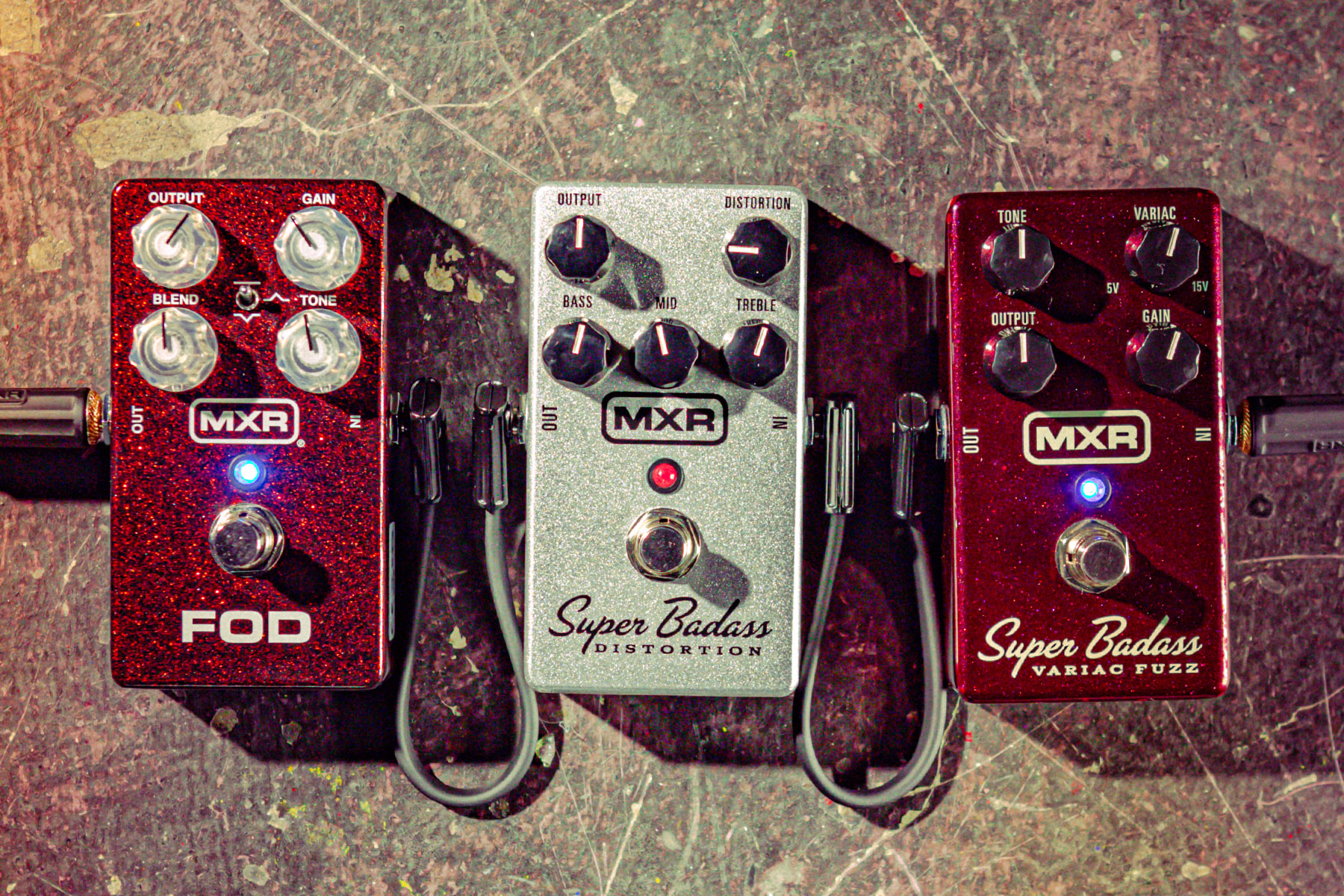
Here’s what it sounds like when we run the MXR Super Badass Distortion into the MXR FOD Drive.
Combining Overdrive with Fuzz
Fuzz is a different beast from overdrive and distortion, both in sound and circuit design, so choosing the right pedal combo takes a bit more discernment. With the common low-to-high-gain arrangement of overdrive into distortion, you might think that the obvious choice is to do the same with overdrive into fuzz. But it ain’t necessarily so. Here’s why.
Overdrive into Fuzz
Running an overdrive pedal into a fuzz pedal is an unwieldy arrangement, but it can sound crushingly awesome with the right pedals and settings. The overdrive pedal should provide a nicely warmed up and boosted signal for the fuzz pedal to work its manic magic on, producing a super aggressive, super saturated sound that’s perfect for everything from heavy riffing to experimental noise.
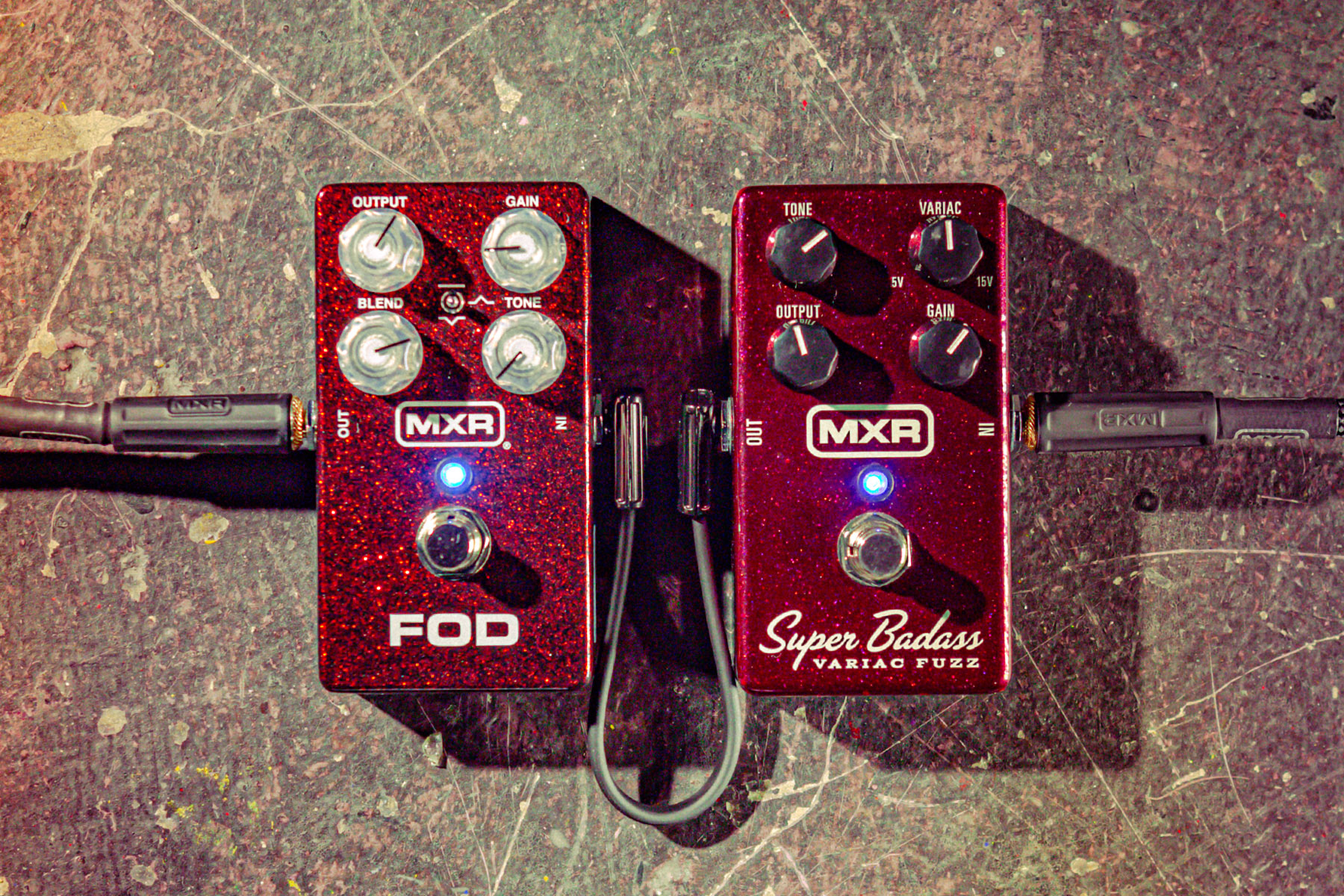
This clip features the MXR FOD Drive charging up the MXR Super Badass Variac Fuzz for some of that heavy riffage.
Fuzz into Overdrive
Putting a fuzz pedal in front of an overdrive pedal makes it much easier to dial in a usable sound, so it’s almost certainly the much more common arrangement. This allows the fuzz to spit hellfire with the overdrive pedal smoothing out the aggressive edges while also adding warmth and sustain. The result is a heavy, high-gain tone that’s clear enough to make individual notes pop—perfect for supercharged leads.
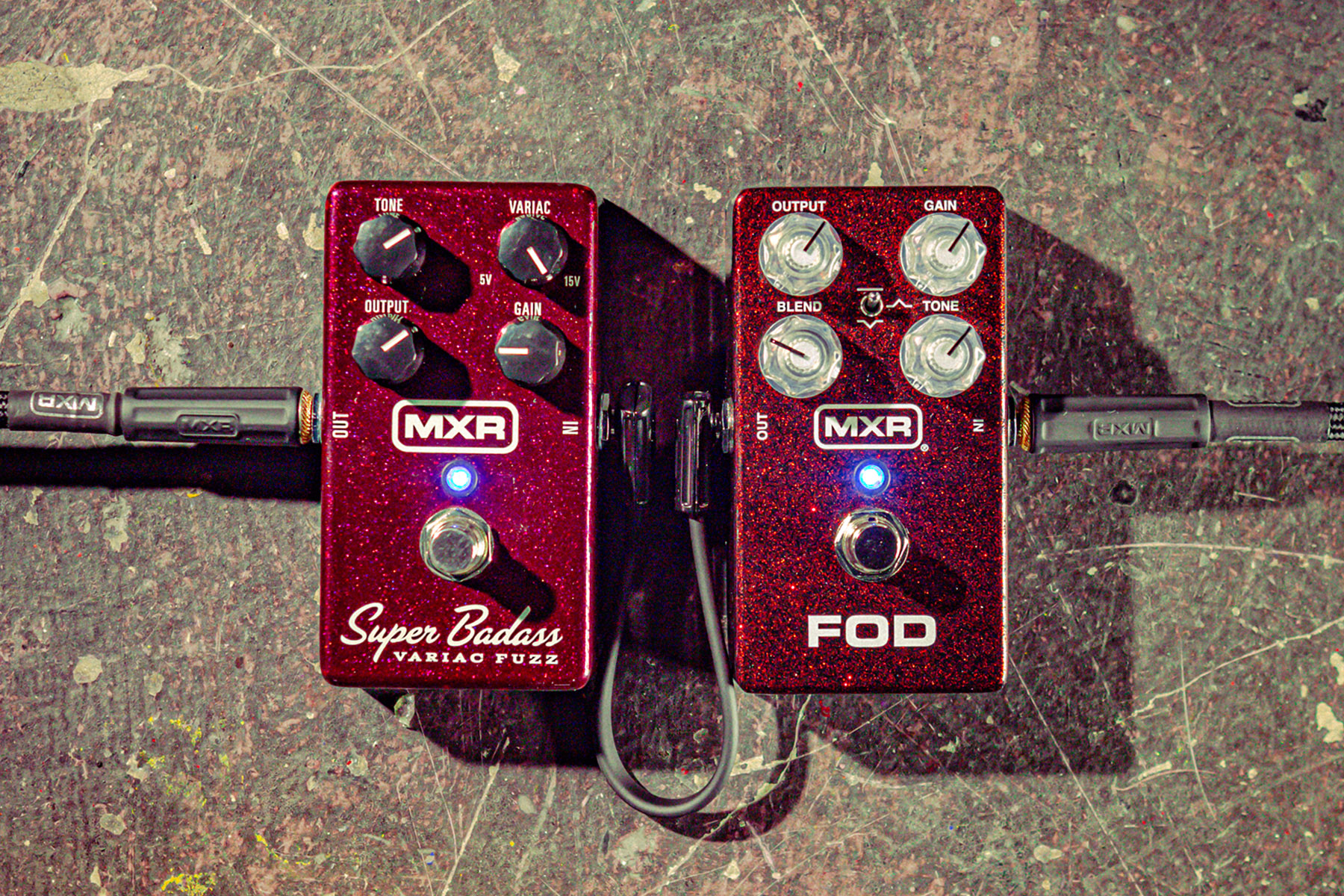
Check it out in this clip as we flip the order, with the MXR Super Badass Variac Fuzz running into the MXR FOD Drive.
All Together Now
Combining overdrive, distortion, and fuzz all at the same time is an exercisein experimentation. There is no right or wrong. Only fun and chaos. Here’s what our pedals sound like all at once, from overdrive to distortion to fuzz and then fuzz to distortion to overdrive. Enjoy.
Overdrive into Distortion into Fuzz
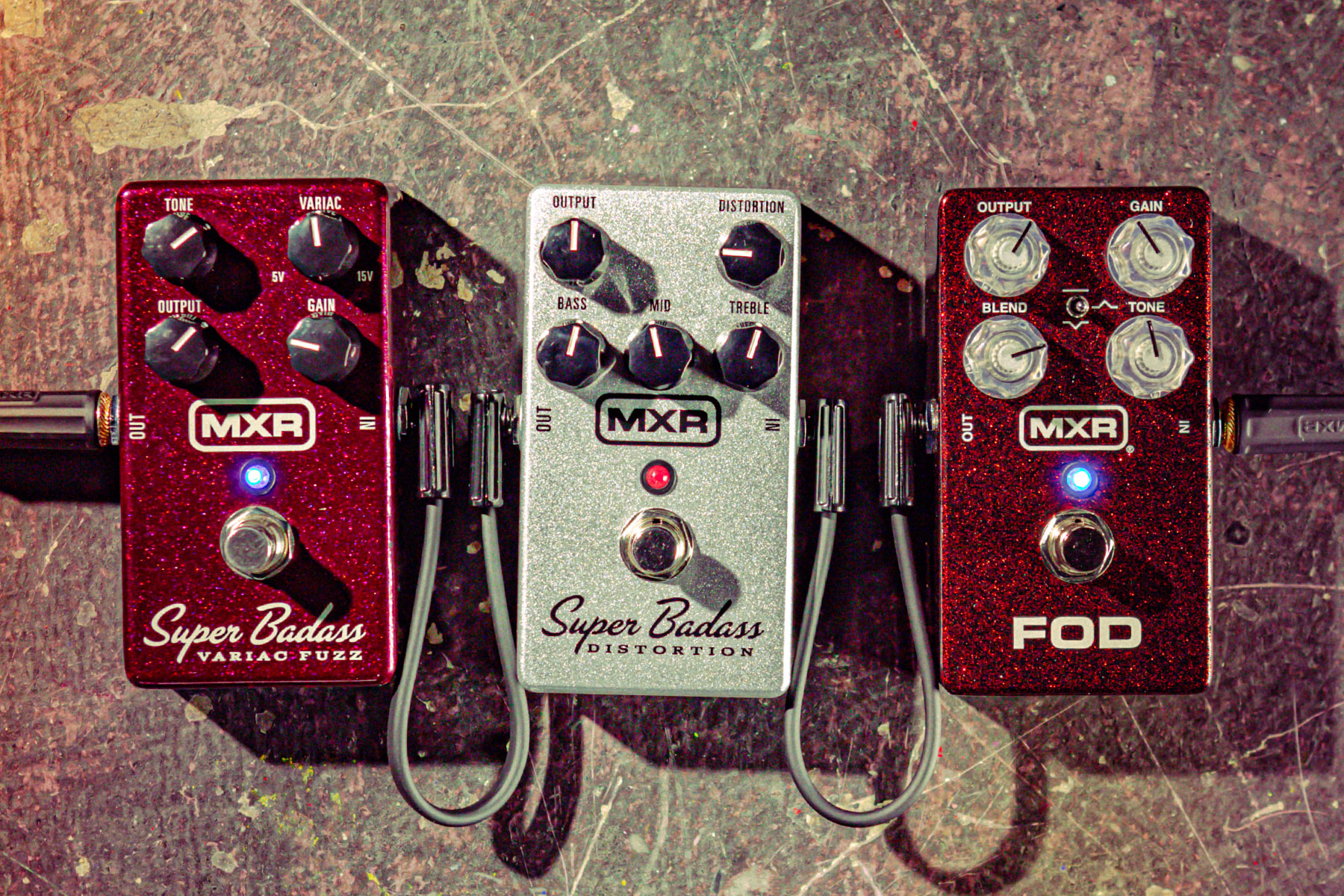
All three pedals, from low gain to high gain: MXR FOD Drive into MXR Super Badass Distortion into MXR Super Badass Variac Fuzz.
Fuzz into Distortion into Overdrive
Now from high gain to low gain: MXR Super Badass Variac Fuzz into MXR Super Badass Distortion into MXR FOD Drive.
Use Your Ears
Stacking gain pedals is rad. Try it. See what you can conjure up. It’s worth spending some time to dial in the right sounds—spend it smartly, though. Everything we’ve written here is a suggestion. Every pedal has its own voice and attitude. So does every rig. The only real rule is this: if it sounds good, then it is good. But let your ears, not your eyes, tell you what sounds good.
The Bass Freq’s Podcast, hosted by experienced recording and touring bass player Josh Paul (Suicidal Tendencies, Infectious Grooves, Daughtry), features in-depth discussions with some of the top bassists working today.
As the co-founding bass player and primary songwriter of Motley Crue, Nikki Sixx was the foundation of one of the most iconic rock bands to come out of the 1980s. Recently, he sat down to talk with Bass Freq’s host Josh Paul, and we’re super excited to share that conversation with you here. Nikki took Josh on a journey through his whole story, from his start in Idaho to the barroom floors, stages, and backseats of cop cars in Los Angeles, to his unique approach to bass playing and songwriting, how he’s managed to survive in the industry, and a whole lot of gear talk among other fascinating topics.
The Bass Freq’s Podcast is available wherever you listen to podcasts—subscribe so that you can hear all of our episodes featuring intriguing and inspiring guests.