

The Bass Freq’s Podcast, hosted by experienced recording and touring bass player Josh Paul (Suicidal Tendencies, Infectious Grooves, Daughtry), features in-depth discussions with some of the top bassists working today. 

This episode features Paolo Gregoletto, longtime bassist for hard working metal music makers Trivium. Speaking with Josh, Paolo fills us in on how he got started, how he crafts his tone and bass lines for the band, what life is like on the road and in the studio, and—of course—a healthy dose of gear talk.

Listen to the Bass Freq’s Podcast now, wherever you listen to podcasts, and subscribe so that you can hear from more intriguing and inspiring guests every week.

The Bass Freq’s Podcast, hosted by experienced recording and touring bass player Josh Paul (Suicidal Tendencies, Infectious Grooves, Daughtry), features in-depth discussions with some of the top bassists working today. 

This week, Bass Freq’s features Will Lee, a first-call master who’s paid his dues with tasty grooves, deep technical skill, and an uncanny ability to play any type of music. Longtime low-ender for The Late Show with David Letterman, Will has built a storied career that includes a nigh-endless list of collaborations with award-winning artists. 

Will joins host Josh to share great stories, insights, and advice from a bass player who has seen it all. Listen to the Bass Freq’s Podcast now, wherever you listen to podcasts, and subscribe so that you can hear from more intriguing and inspiring guests every week.

The Bass Freq’s Podcast, hosted by experienced recording and touring bass player Josh Paul (Suicidal Tendencies, Infectious Grooves, Daughtry), features in-depth discussions with some of the top bassists working today. 

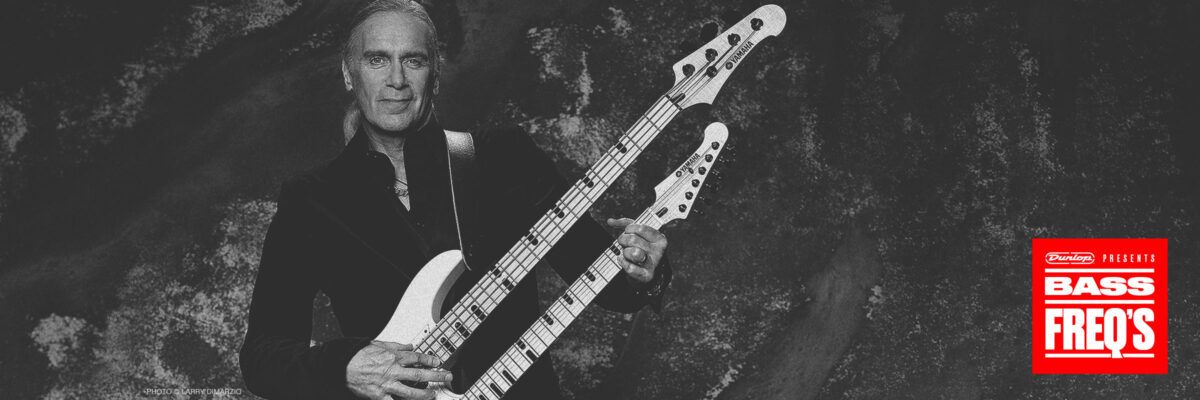
This week, we shine the spotlight on the incomparable Billy Sheehan. Playing an integral role in bands such as Mr. Big and Talas and sharing the stage with countless icons such as Steve Vai and David Lee Roth, Billy developed a technical prowess, unique playing style, and vigorous stage presence that have earned him a top spot among rock ’n’ roll’s most esteemed and respected bass players. 

Josh Paul guides us along Billy’s journey from humble beginnings to the world’s grand stages and all the bumps and unforgettable moments and friendships along the way. There’s plenty of gear talk, too—what else do you expect when two bass players get together? Listen to the Bass Freq’s Podcast now, wherever you listen to podcasts, and subscribe so that you can hear from more intriguing and inspiring guests every week.

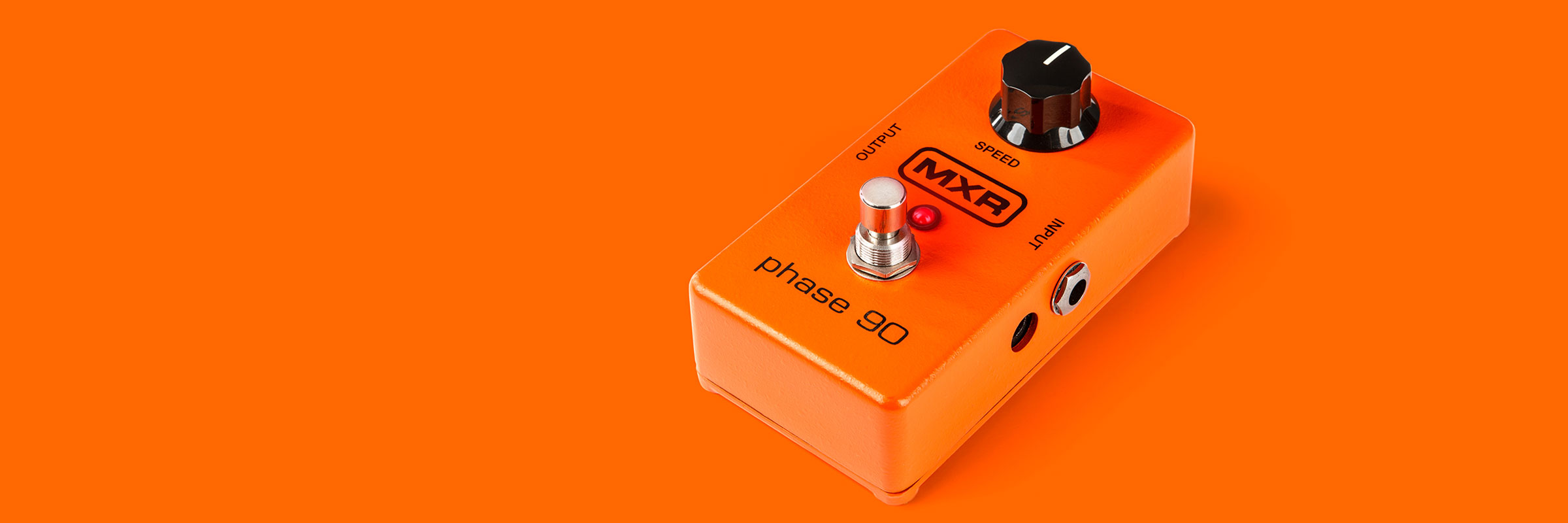
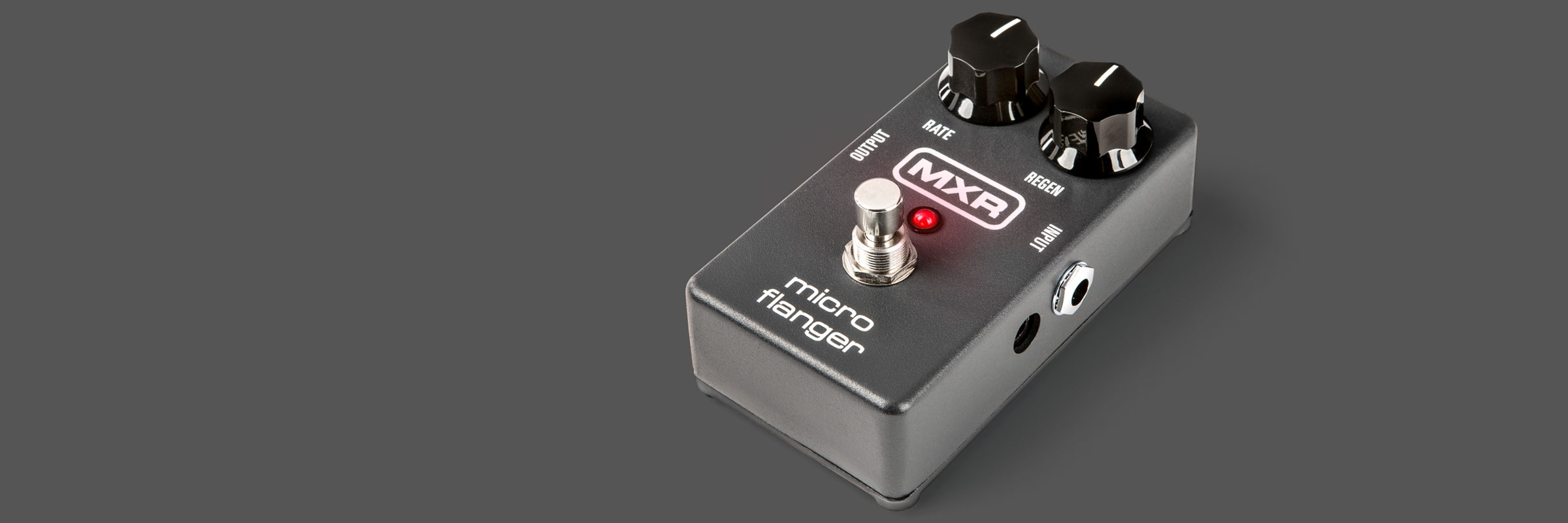
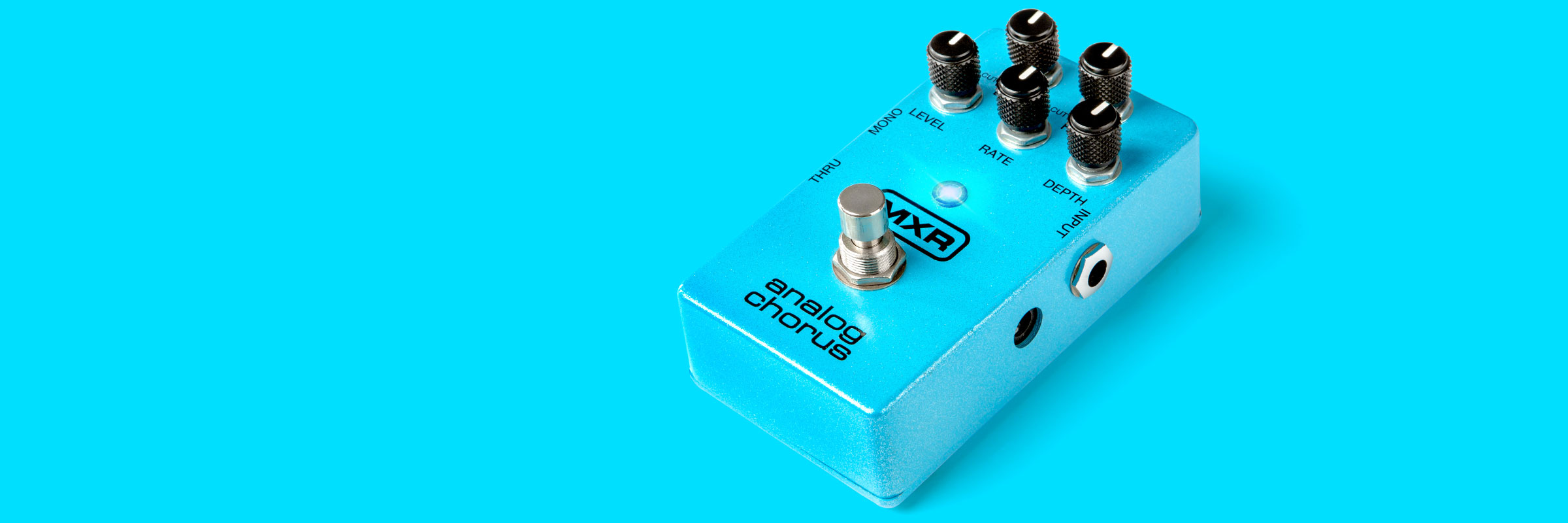
Phaser, flanger, and chorus effects are staples in just about every form of music. They infuse musical compositions with motion and texture, and pedals that create these effects offer musicians an easy way to add new dimension or completely transform the vibe of a song. Think Anthony Jackson’s soupy bass groove on “For the Love of Money,” Eddie Van Halen’s jet-like riff on “Unchained,” or Kurt Cobain’s dreamlike rhythm on “Come As You Are.”

All three effects fall under the modulation category. What that means is that they all modulate—or cyclically change—some aspect of your instrument signal. What distinguishes one from another is which part of your signal they change and how they change it.

Overdrive, distortion, and fuzz are synonymous with rock ’n’ roll. They add texture and attitude to countless classic songs, and each has its own way of doing so. As a player, how do you distinguish one from the others? The easy answer is to say that overdrive, distortion, and fuzz are on a spectrum with each more intense than the last. That’s alright for listeners who don’t play.

If you’re a player who likes to use dirt boxes, though, you’ll need a deeper understanding of how overdrive, distortion, and fuzz can help you craft the best version of your musical vision. To really dig into the dirt, we need to consider what each effect was designed to do, and how you intend to use them.